Sudan Faces Deepening Hunger Crisis as Up to 23 Million People Need Food Aid, FEWS NET Warns
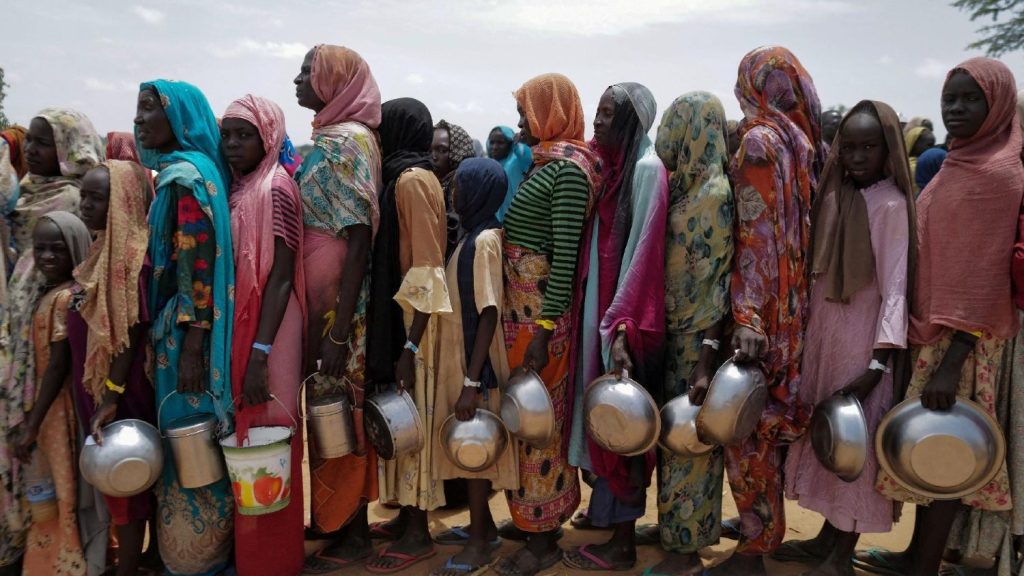
Credit: Vatican News
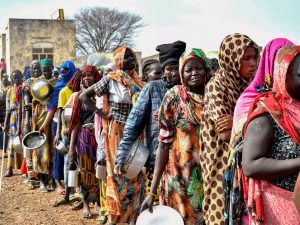
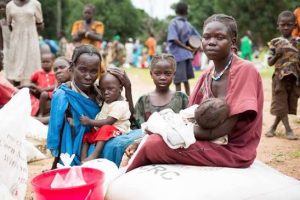
An estimated 22.0 to 22.99 million people across Sudan will require humanitarian food assistance through September 2026 as conflict, mass displacement, economic collapse, and adverse weather continue to drive one of the world’s worst food security crises, according to a new report by the Famine Early Warning Systems Network (FEWS NET).
The latest assessment warns that widespread Emergency (IPC Phase 4) food insecurity is expected across large parts of Sudan, while several conflict-affected areas remain at credible risk of Famine (IPC Phase 5) if conditions deteriorate further.
FEWS NET said ongoing fighting remains the main driver of the crisis, with active conflict across North Darfur, West Darfur, Greater Kordofan, Blue Nile, and other regions forcing millions from their homes and disrupting livelihoods. The increasing use of drone strikes targeting urban centres and major transport corridors has further disrupted trade, damaged infrastructure, and complicated humanitarian access.
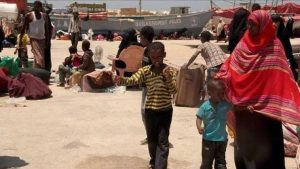
The report notes that the conflicts in Sudan, alongside instability in neighbouring South Sudan and Ethiopia, have contributed to the world’s largest displacement crisis, with more than 12.8 million people displaced.
The worst-affected areas are expected to remain in Emergency (IPC Phase 4) through September, including North Darfur, Greater Kordofan, Blue Nile, and Red Sea State. FEWS NET also identified populations already experiencing Catastrophe (IPC Phase 5), particularly internally displaced people and communities trapped in conflict zones.
Among the hardest-hit locations are Um Baru, Kernoi, and At-Tine in North Darfur; Dilling and Kadugli in South Kordofan’s western Nuba Mountains; and El-Obeid and surrounding areas in North Kordofan.
Beyond the conflict, deteriorating economic conditions and worsening weather are intensifying food insecurity. FEWS NET forecasts below-average rainfall during the June-to-September growing season across much of Sudan, particularly in southern and southeastern agricultural areas, raising concerns over reduced crop production and poor harvests later this year.
At the same time, continued currency depreciation, high inflation, and soaring fuel prices have sharply increased the cost of food, agricultural inputs, and transportation, placing basic necessities beyond the reach of many households.
The report also highlights alarming nutrition conditions, with acute malnutrition rates reaching or exceeding the “Extremely Critical” threshold in several areas.
Although the October harvest could provide temporary relief in some regions, particularly in North Darfur, FEWS NET warns that the overall risk of famine is expected to persist through January 2027. The agency cautions that further deterioration in conflict, worsening rainfall deficits, or renewed military sieges restricting trade and humanitarian access could trigger full-scale Famine (IPC Phase 5) in the most vulnerable areas.
Humanitarian agencies continue to call for unhindered access to affected communities and increased international support to prevent further loss of life as millions face severe hunger across Sudan.