South Sudan Food Assistance Needs Projected to Reach 8 Million by March 2027
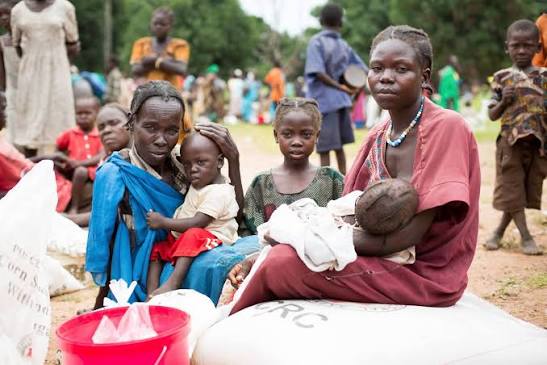
An estimated 7 million to 7.99 million people in South Sudan are projected to need urgent humanitarian food assistance by March 2027, according to the latest Food Assistance Outlook Brief from the Famine Early Warning Systems Network, or FEWS NET.
The projection represents about 50% to 55% of the country’s population and comes as conflict, poor economic conditions, weather shocks and an influx of refugees and returnees continue to undermine food security.
FEWS NET said food assistance needs in South Sudan are expected to remain similar to March 2026 levels but higher than the recent five-year average. The agency currently estimates that 8 million to 8.99 million people need food assistance in September 2026.
Needs are expected to rise as household food stocks decline. FEWS NET said ongoing conflict, El Niño-induced drought and persistently poor economic conditions are likely to drive the deterioration.
The most severe conditions are expected in conflict-affected areas of Jonglei and Upper Nile states, where harvests are projected to be marginal. FEWS NET said reliance on wild foods and limited humanitarian assistance will be insufficient to prevent large to extreme food consumption gaps in some areas.
Emergency, or IPC Phase 4, and Catastrophe, or IPC Phase 5, outcomes are expected in the worst-affected areas by March.
FEWS NET also warned of a credible risk of famine in Akobo and Nyirol counties in Jonglei, and Ulang and Nasir counties in Upper Nile. It said famine could occur if conflict escalates and prolonged isolation prevents affected populations from accessing local food sources and humanitarian assistance.
Across the countries monitored by FEWS NET, between 155 million and 165 million people are projected to need humanitarian food assistance in March 2027, equivalent to about 11% of the population in those countries.
South Sudan is projected to have the highest share of its population needing food assistance among the countries covered by the network. Sudan is projected to have the largest absolute number of people in need, followed by Pakistan, Nigeria, the Democratic Republic of the Congo and Yemen.
FEWS NET’s projections account for planned and likely humanitarian food assistance and are based on anticipated acute food insecurity conditions during the seven-month outlook period.
The agency defines its projected population in need as people facing Crisis, or IPC Phase 3, or worse acute food insecurity, as well as populations in lower IPC phases who would likely face Crisis or worse without humanitarian food assistance.