WFP: South Sudan food basket costs fall slightly, remain 3% above monthly level
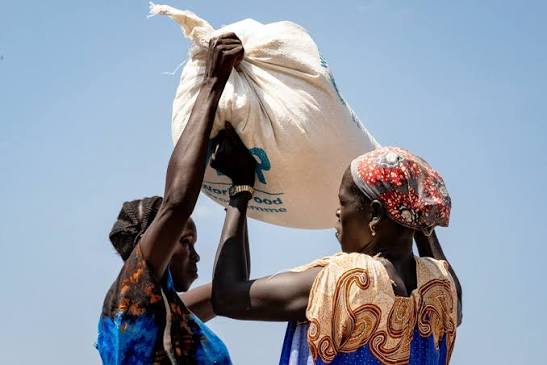
Copyright: © WFP/Theresa Piorr
The average cost of a standard food basket in South Sudan fell 1% during the week of Aug. 31 to Sept. 6 but remained 3% higher than four weeks earlier, according to the World Food Programme.
The food basket cost an average of 133,524 South Sudanese pounds per person per month, WFP said in its latest Weekly Market Monitor.
The standard food basket includes 15 kilograms of cereals, 1.5 kilograms of pulses, 0.9 liters of cooking oil and 0.15 kilograms of salt.
Food basket costs varied across the country. Unity recorded the highest average at 165,914 South Sudanese pounds per person per month, followed by Central Equatoria at 160,371 pounds and Upper Nile at 154,707 pounds.
Western Equatoria recorded the lowest average at 117,300 pounds, followed by Warrap at 117,923 pounds and Lakes at 120,943 pounds.
The informal exchange rate averaged 7,312 South Sudanese pounds per U.S. dollar, compared with the official rate of 5,627 pounds, maintaining a 30% premium to the official exchange rate.
Fuel prices remained elevated and virtually unchanged from the previous week in both formal and informal markets.
WFP reported varying price movements across key commodities during the week. Sorghum prices increased by 2% in Abyei but fell 12% in Yida. Wheat flour prices rose 7% in Pamir, Kapoeta South, and declined 10% in Renk.
Bean prices increased 20% in Torit and fell 23% in Leer, while vegetable oil prices rose 20% in Abyei and declined 23% in Rumbek.
Salt prices increased 67% in Ajoun Thok, Pamir and Yida, while Malakal recorded a 17% decline. Sukuma wiki prices fell 20% in Torit.
Goat prices rose 30% in Bentiu and Rubkona but fell 25% in Aweil Town. Fuel prices increased 16% in Rumbek and declined 17% in Bentiu and Rubkona.
WFP said livestock price movements, including the decline in goat prices in Aweil, reflected a severe water deficit that was driving increased livestock sales as households sought to cope with high cereal prices.
The agency said the trend was weakening households’ ability to exchange livestock for food.
The report is based on market prices collected in locations including Juba, Bor, Wau, Yambio, Malakal, Renk, Torit, Bentiu, Rumbek, Aweil Town, Yida and other markets across South Sudan.
WFP cautioned that missing price data may be imputed and updated as new information becomes available, potentially resulting in revisions to previous weeks’ basket costs and reported changes.
Monthly price changes are calculated against prices recorded four weeks earlier.