Aid Cuts Push South Sudanese Refugees Toward Debt, Informal Work and Return
Credit: Al Jazeera
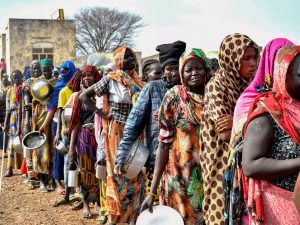
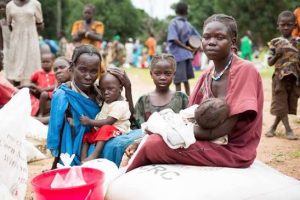
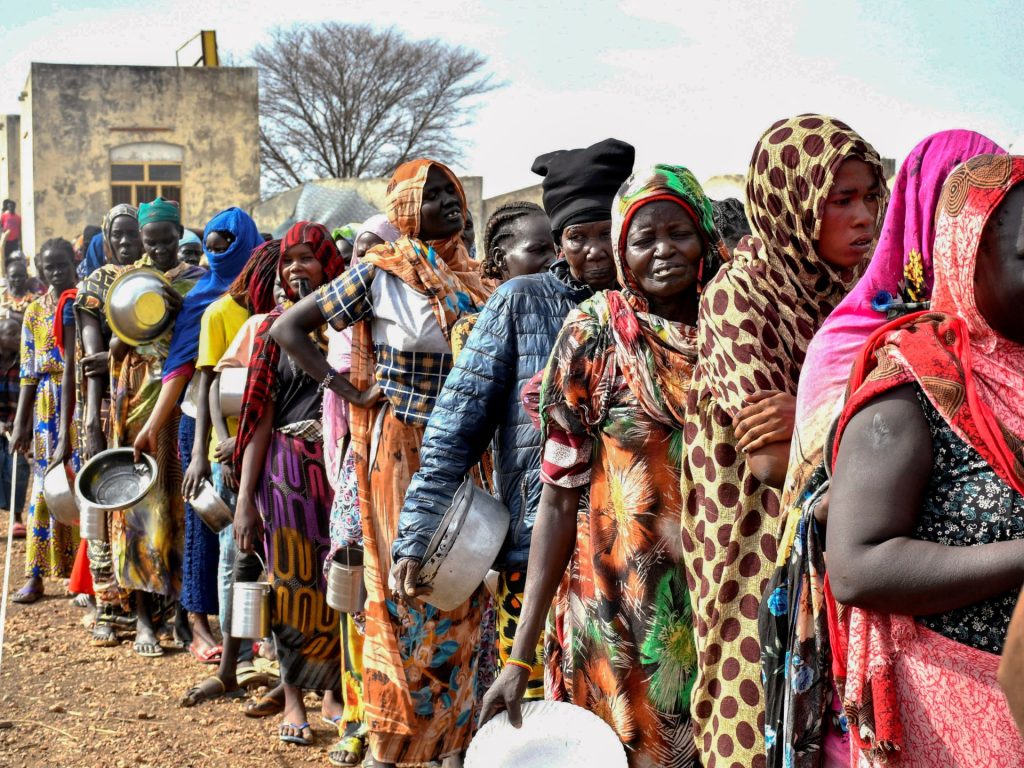
Cuts in humanitarian assistance are forcing South Sudanese refugees in Uganda and Kenya to find new ways to survive, with families increasingly turning to farming, informal work, borrowing and, in some cases, returning to South Sudan, according to a study by the Danish Refugee Council and the University of Copenhagen.
The study, titled Staying and Moving: Refugee Adaptations to Cuts in Humanitarian Support, followed 98 refugee households in Uganda, Kenya and South Sudan between 2025 and 2026. It examines how families are adapting as food assistance and other essential services decline.
Researchers found that the impact of funding cuts varies significantly between the two main refugee-hosting settings. Refugees in Uganda have generally relied on access to land and farming, while those in Kenya have turned more heavily to informal employment and small businesses.
In Uganda’s Rhino Camp Refugee Settlement, refugees benefit from policies that provide greater freedom of movement and access to land. Many households have responded to reductions in food assistance by cultivating crops on rented or shared land.
But access to farmland is becoming more difficult and expensive. The study says the average cost of renting an acre increased from about 85,000 Ugandan shillings in 2025 to 200,000 shillings in 2026.
Social and cultural ties between South Sudanese refugees and host communities have also helped households secure access to land and other forms of support. The researchers found that shared languages, family relationships and intermarriage have contributed to closer links between the two communities.
In Kenya, conditions are different. Kakuma Refugee Camp and Kalobeyei Integrated Settlement are located in an arid and semi-arid region where agriculture is difficult. Refugees also face restrictions on movement and formal employment.
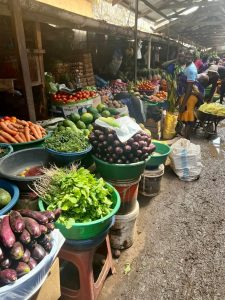
Many South Sudanese refugees therefore depend on informal work, including domestic labor, shop assistance and other casual jobs known locally as leja-leja. Small businesses and trade also provide income for some households.
The study says the reduction in assistance has placed additional pressure on education and health services. In Uganda, the number of Village Health Team members in refugee settlements fell sharply, while schools have faced severe teacher shortages. In Kenya, thousands of children have reportedly been affected by disruptions to education.
As households struggle to meet basic needs, borrowing has become an important coping mechanism. Families take loans or buy food on credit from shopkeepers and other lenders, creating debts that can become difficult to repay.
Researchers found that debt can also influence decisions about whether to remain in a refugee settlement or return to South Sudan. Some households undertake short-term cross-border movements to work, check on property or farmland, or assess conditions at home.
The study also documents other negative coping strategies, including child marriage, as families attempt to respond to financial pressure.
Despite the hardships, education remains an important reason for some families to stay. Parents interviewed for the study said access to schooling and recognized qualifications in Uganda and Kenya could give their children better opportunities if they eventually return to South Sudan.
The findings challenge the assumption that refugees remain in neighboring countries simply because they depend on humanitarian assistance. Instead, the researchers say many households make decisions based on a combination of security, education, livelihoods, family ties and access to basic services.
The study concludes that reducing humanitarian assistance without strengthening alternative livelihood opportunities can leave refugees with fewer viable options.
It recommends greater attention to the conditions that would allow refugees to make informed and voluntary decisions about their future, including improved security, education, livelihoods and basic services in South Sudan.
For many South Sudanese refugees, the choice between staying and returning is therefore not simply a question of where they want to live. It is increasingly shaped by whether they can secure food, income, education and safety where they are.