South Sudan Food Prices Continue to Rise as Lean Season Drives Up Household Costs
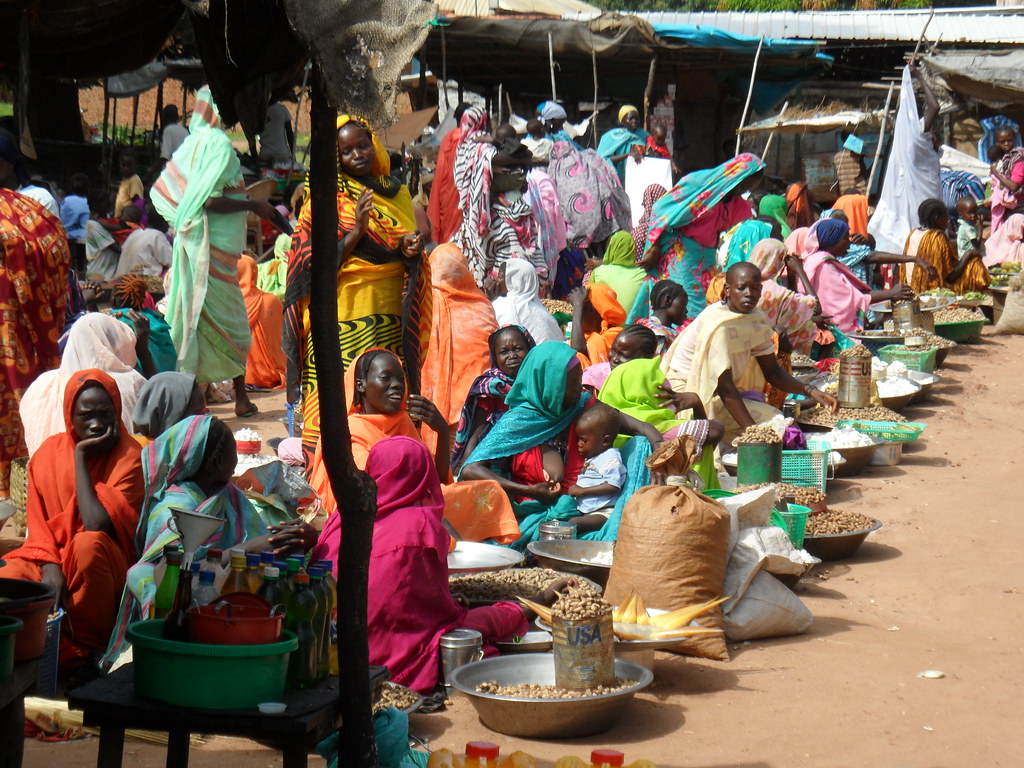
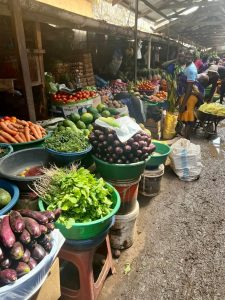
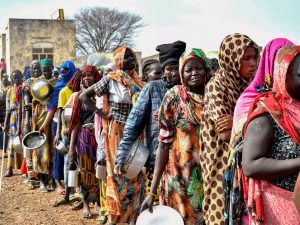
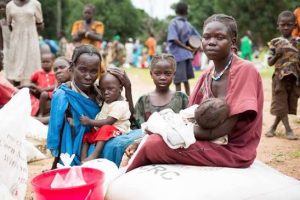
The cost of meeting basic household needs in South Sudan continued to climb in July, with rising food prices and persistent market challenges placing additional pressure on families during the annual lean season, according to the latest Joint Market Monitoring Initiative (JMMI).
The report, produced by REACH in collaboration with the South Sudan Cash Working Group, found that the median cost of the Multi-Sector Survival Minimum Expenditure Basket (MSSMEB)—the minimum monthly cost of essential goods and services for a six-person household—rose by 6% in July to SSP 782,787 (about USD 164). The increase follows a 16% jump recorded in June.
The cost of the food basket also increased by 4% in July to SSP 606,761 (USD 127), reflecting continued seasonal pressure on staple food prices.
According to the assessment, the highest household costs were recorded in Ganyiel (Panyijiar County), Wulu Town (Wulu County), Ayod Town (Ayod County), and Rubkona Town and Bentiu (Rubkona County).
REACH attributed the rising prices to several factors affecting markets nationwide, including high taxation, depreciation of the South Sudanese pound, rising fuel prices, poor road conditions, checkpoint fees, limited access to foreign currency, transport constraints, inadequate storage facilities, and insecurity along major supply routes.
Some of the steepest monthly increases in household costs were recorded in Ganyiel and Wulu Town, where the MSSMEB rose by 53%. Panthou in Aweil South County recorded a 49% increase, while Tonj Town saw costs increase by 40%.
Staple food prices also surged during the reporting period. Maize grain recorded the largest monthly increase at 33%, followed by cooking oil at 26%, wheat flour at 20%, salt at 10%, and sorghum grain at 8%. These increases contributed significantly to the rising cost of the food basket.
The report found that 24% of the 50 assessed locations had markets with limited functionality, indicating continued challenges in ensuring reliable access to affordable essential commodities.
Seasonal flooding also disrupted trade in several parts of the country. Road closures along key transport corridors, including routes linking Tonj to Wau, Lankien to Waat, Duk Padiet to Waat, Waat to Akobo, and Pibor to Akobo, increased transport costs and constrained the movement of goods.
Despite the challenges, most traders continued to rely on cash transactions, while 77% of food traders expected prices to increase further over the next three months, suggesting households could face additional cost pressures in the months ahead.
The July JMMI assessment covered 58 marketplaces across 50 locations and was based on interviews with 1,015 key informants, including traders and humanitarian partners. The initiative supports humanitarian agencies in monitoring market conditions and informing cash-based assistance across South Sudan.