Renk Launches Three-Year Strategy to Advance Durable Solutions for Displaced Communities
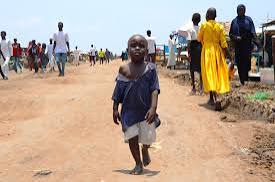
Renk County has unveiled a three-year Area-Based Durable Solutions Strategy aimed at helping refugees, returnees, internally displaced persons (IDPs), and host communities transition from emergency humanitarian assistance to sustainable development and self-reliance.
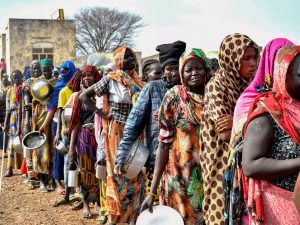
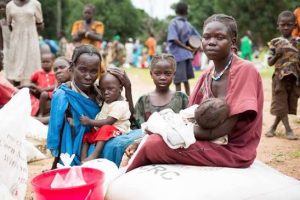
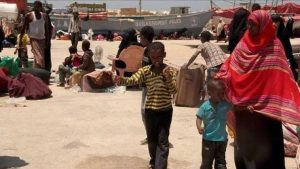
The 2026–2028 strategy comes as Renk continues to bear the brunt of the Sudan conflict, having received more than one million people—around 80 percent of all arrivals into South Sudan—since April 2023. The influx has placed enormous pressure on transit centres, public infrastructure, and essential services.
The strategy outlines a coordinated, government-led approach that combines humanitarian response with long-term recovery through improved access to land, public services, livelihoods, protection, and social cohesion. It seeks to reduce prolonged stays in transit centres while supporting safe, voluntary and dignified solutions for displaced populations.
Under the plan, authorities will focus on six priority areas: implementing a transit centre exit strategy, expanding land for settlement, strengthening health, education and water services, promoting peaceful coexistence, supporting livelihoods, and reinforcing community-based protection.
The strategy will be implemented in phases. The first phase will prioritize decongesting the Renk Transit Centre through voluntary relocation, onward transportation, and local integration support. The second phase will expand settlement areas and decentralize services, while the final phase will hand over operations to local authorities and integrate humanitarian services into county-led systems.
County authorities have already allocated 2,000 hectares of land for settlement, with more than 5,000 returnees relocated to Abukadra after choosing to remain in Renk instead of moving to other parts of the country. Additional land allocations are expected to support future integration efforts.
The strategy also calls for major investments in health facilities, schools, water and sanitation infrastructure, road rehabilitation, agricultural development, vocational training, and market access to strengthen resilience and reduce dependence on humanitarian aid.
Officials say the initiative aligns with South Sudan’s national Durable Solutions Strategy and the Upper Nile State roadmap, while promoting peaceful coexistence between displaced populations and host communities through inclusive planning, improved service delivery, and expanded economic opportunities.
The three-year strategy will be implemented in partnership with government institutions, UN agencies, humanitarian organizations, development partners, and community leaders, with progress to be reviewed regularly to adapt to changing needs and ensure long-term sustainability.