South Korea, WFP deliver food aid to 100,000 refugees, host communities in Ethiopia
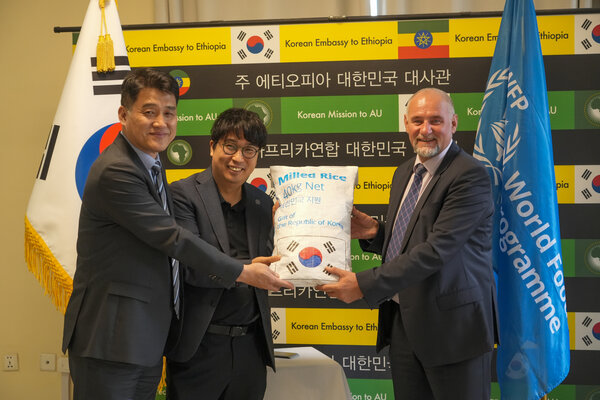
Credit: WFP
The United Nations World Food Programme said Thursday it has received a $2.9 million contribution of rice from South Korea to provide food assistance to about 100,000 refugees and vulnerable host communities in Ethiopia.
The contribution includes 2,400 metric tons of rice and will help WFP sustain food assistance for refugees and support communities hosting people who have fled conflict and insecurity in neighboring countries.
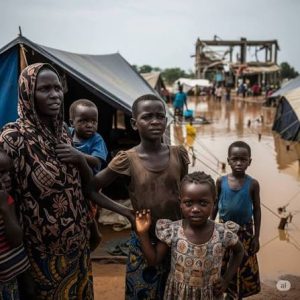
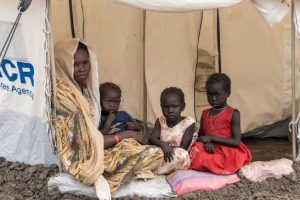
Ethiopia hosts more than 1 million refugees and asylum-seekers, mainly from Eritrea, Somalia, South Sudan and Sudan. Women and children account for nearly 80% of the refugee population, according to WFP.
Many refugees depend on humanitarian assistance to meet their basic food needs, while host communities face pressure on already limited resources and services. The effects of recent droughts have further strained livelihoods and increased humanitarian needs.
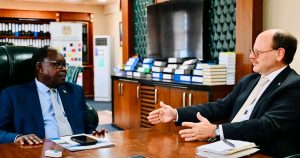
“We are deeply grateful to the Government of the Republic of Korea for this generous and timely contribution,” said Zlatan Milišić, WFP representative and country director in Ethiopia.
Milišić said the donation would help sustain lifesaving food assistance for refugees while supporting communities that have welcomed displaced people.
WFP, the largest provider of food assistance to refugees in Ethiopia, plans to support about 1 million refugees in 2026. Between January and July, the agency provided assistance to 866,435 refugees across 30 camps in seven regions through food distributions and cash-based assistance.
South Korea has provided more than $60 million to WFP operations in Ethiopia since 2022 through its Ministry of Agriculture, Food and Rural Affairs, Ministry of Foreign Affairs and Korea International Cooperation Agency.
The funding has supported food assistance, nutrition programs and resilience initiatives for refugees, internally displaced people and vulnerable host communities.
WFP said continued international support is needed as humanitarian needs remain high and available resources become increasingly limited.