MSF forced to close Lankien hospital after 31 years
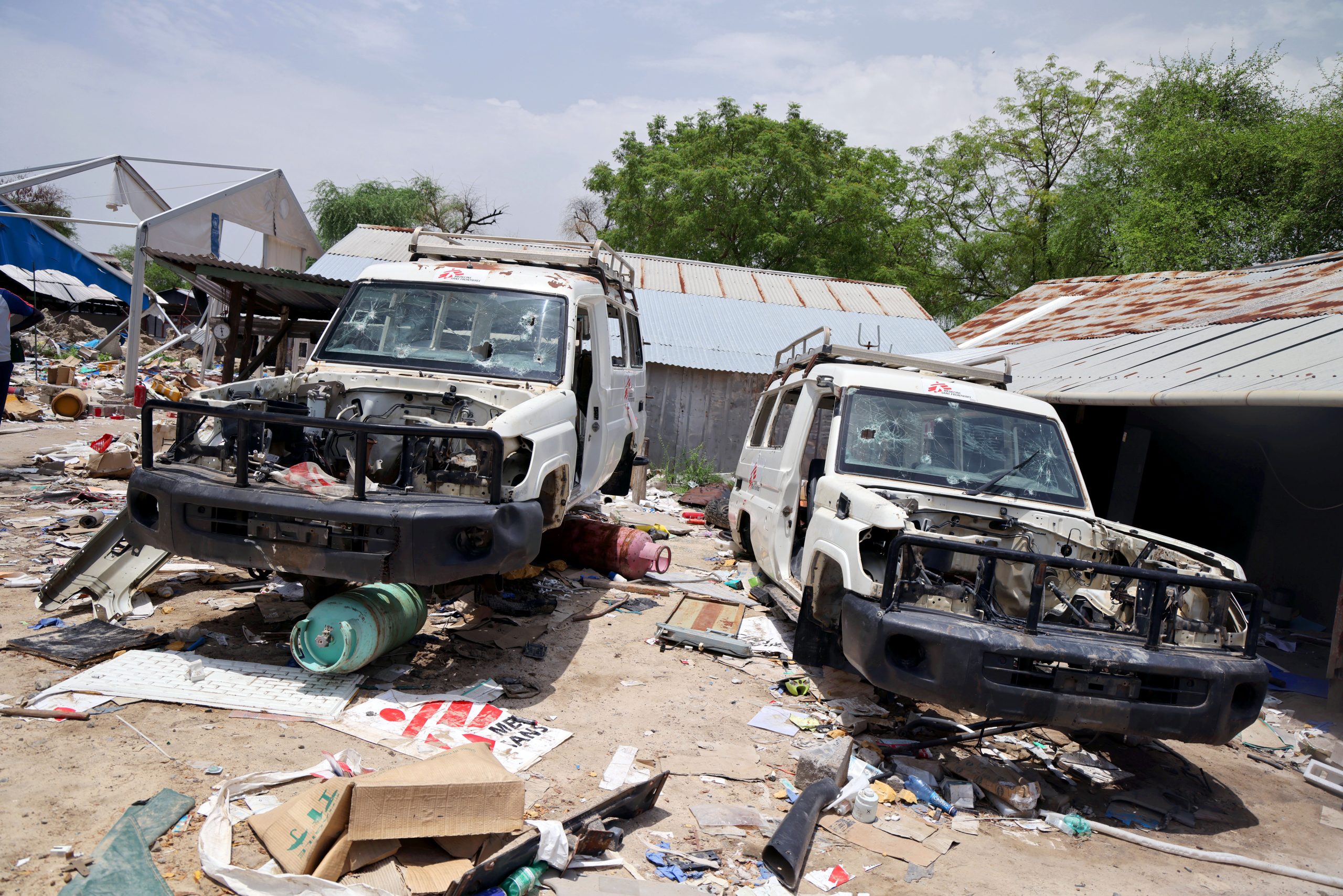
MSF hospital in Lankien, Jonglei state, South Sudan, was hit in an airstrike by the government of South Sudan forces during the night of Tuesday, 3 February 2026. One MSF staff member suffered minor injuries. The hospital’s main warehouse was destroyed during the attack, and we lost most of our critical supplies for providing medical care. Lankien hospital was evacuated, and patients were discharged hours before the attack, following increased tensions and after MSF received information about a possible attack against the city. On 23 April, MSF team managed to visit the hospital. Hospital was bombarded, looted, and then vandalized: some structures were set on fire, MSF cars have bullet holes on windshields, equipment was taken out of wards and offices and destroyed, and documentation thrown out. Based on the publicly available facts, the community fled Lankien after the hospital and market were bombed on 3 February. The government forces took the full control of the town on 7 February. The town is now almost completely destroyed, including private housing, the market and some boreholes. MSF publicly announced the forced closure of the hospital on Wednesday 29 April 2026.
Médecins Sans Frontières (MSF) has been forced to permanently close our hospital in Lankien, Jonglei State, South Sudan, after it was bombarded on 3 February. Closing our hospital brings to an end 31 years of continuous medical support to a community which already has extremely limited access to healthcare. MSF calls on all warring parties to prevent attacks on medical facilities and personnel, and for an independent and impartial investigation into the attack.
We were forced to stop all medical activities on 3 February, after a bomb was dropped from a plane on the warehouse inside the hospital compound. It destroyed medical and other critical supplies. Although we are unable to confirm which party to the ongoing conflict in South Sudan is responsible, to our knowledge, it appears that government forces are the only party with the capacity for aerial bombing. In the days following the airstrike, government forces were known to be in control of the Lankien area. Lankien hospital was looted, parts of it were burned, and the remaining structures were vandalized, leaving nothing but devastation. MSF is not yet able to confirm which party to the conflict is responsible for looting and vandalizing.
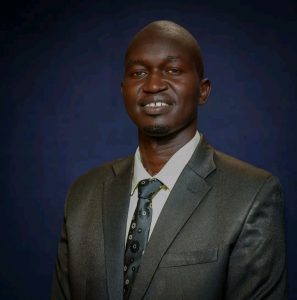
“We are outraged by what we recently witnessed at the hospital,” says Gul Badshah, MSF Operations Manager. “The level of destruction is beyond anything we could imagine. We saw bullet holes in the windshields of our vehicles, our medical supply buildings burnt to the ground, while even pediatric equipment was targeted and destroyed.”
Hours before the attack on 3 February, Lankien hospital was evacuated, and patients were discharged, following increased tensions in the area. People reportedly fled Lankien after the bombardment of the hospital and the town’s market that day. The destruction of our hospital in Lankien is not an isolated incident, but part of a wider and
deeply worrying trend of violence against healthcare in South Sudan. Since the start of 2025,
MSF facilities and staff have been affected by at least 12 attacks and violent events. These repeated incidents have forced the closure of four hospitals — Ulang, Old Fangak, Akobo, and now Lankien — and left hundreds of thousands of people without access to medical care. As usual, it is people who are paying a heavy price for attacks on healthcare.
“Attacks on medical facilities, healthcare workers, and civilians are unacceptable and must stop,”
says Badshah. “Government and opposition forces, as well as all other armed groups, must take full responsibility for their actions. They must also prevent attacks on medical personnel and facilities and on civilians, and respect international humanitarian law and its principles, including distinction and proportionality,” adds Badshah.
MSF calls on the South Sudanese authorities to provide transparent explanations, ensure accountability, and take concrete measures to protect healthcare and humanitarian operations.
MSF had worked in Lankien since 1995, initially responding to kala azar, a neglected tropical disease. Over the years, our activities were gradually expanded, and the hospital became the only advanced level healthcare facility in the region. Before its destruction, around 250,000 people relied on the hospital for lifesaving care. With its permanent closure, communities in the region are now left without medical services and exposed to preventable deaths.