


The United Nations International Children Education Fund (UNICEF) estimated that about 1.4 million children are projected to suffer from malnutrition and 300,000 to require lifesaving treatment from severe wasting in 2022, increased prices compounded with drops in funding highlight the urgent need to avert further crises across all sectors. This puts more than 100,000 children at risk of dying if they do not receive treatment for malnutrition.
“The outlook for the coming months is one of floods, disease, conflict and severe malnutrition. UNICEF remains committed to the last mile to mitigate against the severe impacts of floods and violence, and work to reverse deteriorating trends of malnutrition and disease through a package of multi-sectoral actions that will save lives whilst building the resilience of affected populations,” said Hamida Lasseko.
“But we can’t do it without the funding from our current donors and partners and potential new partners. With so many crises soaking up the world’s attention, let us not forget the imminent and potentially catastrophic situation in South Sudan. UNICEF is appealing for urgent funding. The humanitarian action for children (HAC) for 2022 has only received 20% of the US 183.6 million it needs, and US 34.8 million is needed for the next 3 months to avert a humanitarian catastrophe,”
She added that timely action and funding are needed to avert further crises for children in South Sudan Juba.
Humanitarian needs are at a record high in 2022, while available funding is at an all-time low, a new UNICEF appeal says. At the same time, global shocks such as the conflict in Ukraine and global price increases of basic supplies and commodities threaten UNICEF and its partner’s ability to respond to the needs of the most vulnerable.
UNICEF South Sudan released a “Cost of Inaction” appeal to highlight the record number of people in need of humanitarian assistance in 2022, against a backdrop of reduced funding which will hit children and women the hardest. South Sudan is already one of the toughest places in the world to be a child today, with some of the lowest global indicators for out of school children, malnutrition, immunization and child protection.
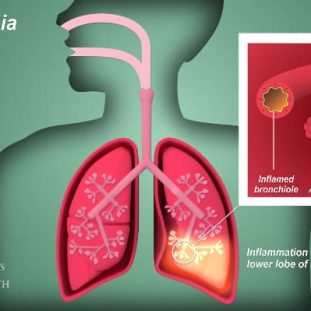
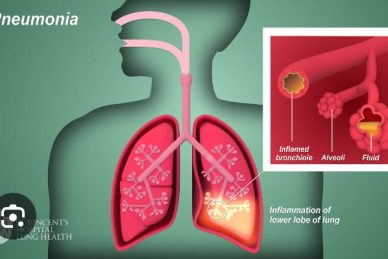
Battered by climate-related flooding which affects large swaths of the country along the Nile Basin, the children of South Sudan pay dearly for the frequent outbreak of diseases such as diarrhoea, malaria and acute respiratory infections. This is exacerbated by the protracted subnational violence which leads to massive displacement of populations and further puts children at risk of grave violations, exploitation, separation and abduction – particularly for the most vulnerable. “The humanitarian situation for children was already a huge challenge,” said UNICEF Representative, Hamida Lasseko.
“With the pandemic and new pressures from global events impacting the supply of basic commodities, increasing prices and disrupting supply chains, we are seeing this situation get worse. And our ability to respond facing further pressure.”
“A clear example is the expected 16% rise in prices of ready to eat therapeutic food (RUTF), according to UNICEF’s global Child Alert on Severe Wasting. RUTF is a simple and affordable lifesaving treatment for severe malnutrition/wasting among children. While in South Sudan there is an expected 30% increase in the number of children requiring this treatment compared to previous years,” Hamida added.