National Roundtable Sets Key Steps to Improve Childhood Tuberculosis Care in South Sudan
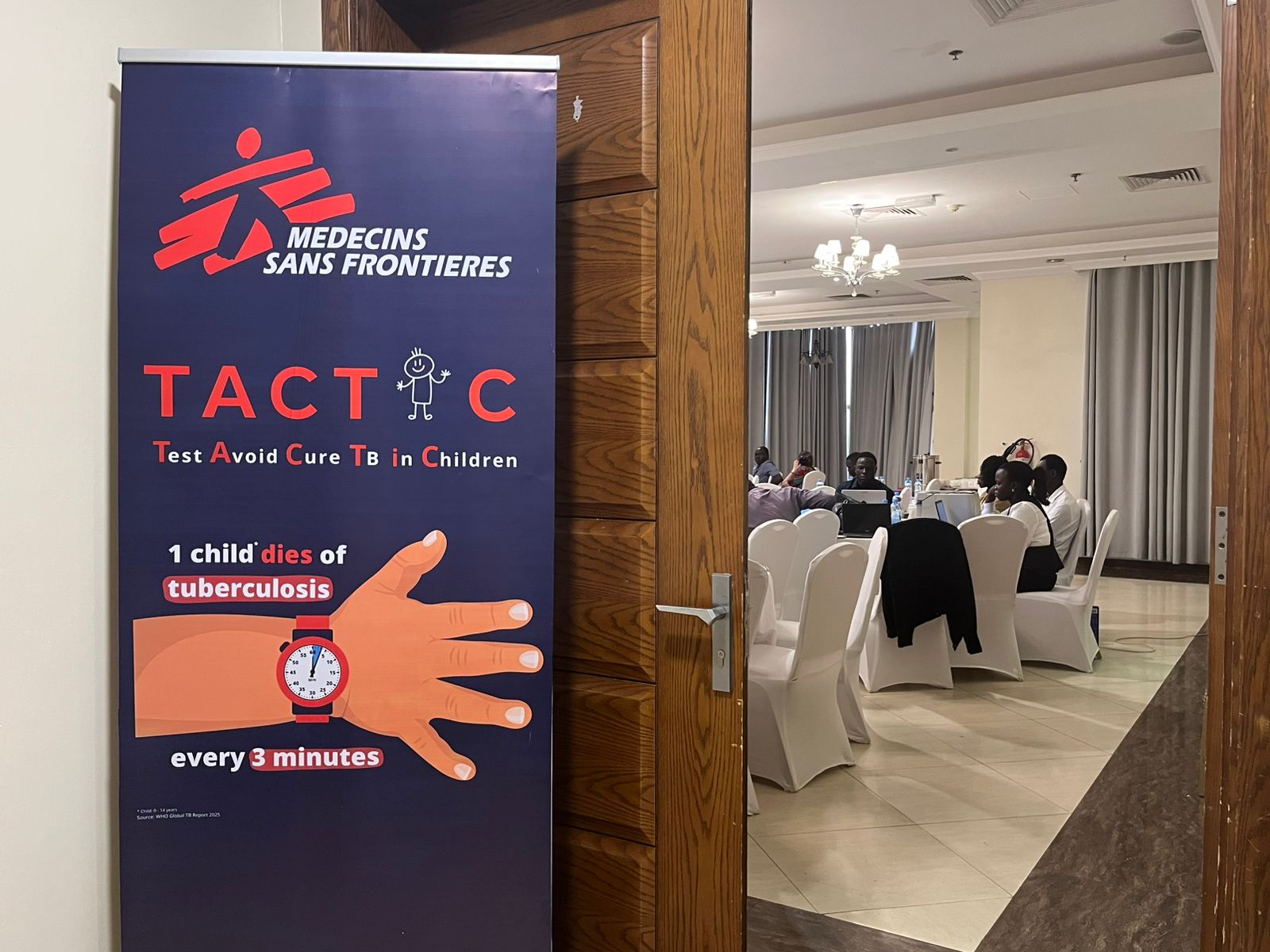
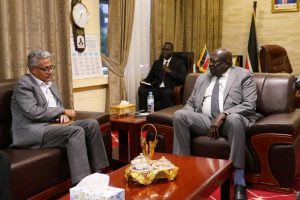
South Sudan’s Ministry of Health, through the National Tuberculosis Programme, in collaboration with Médecins Sans Frontières (MSF) and partners, has outlined critical steps to strengthen childhood tuberculosis (TB) care following a two-day roundtable held in Juba on 27–28 April.
The discussions brought together health authorities, clinicians, and technical experts to address major barriers preventing children from accessing proper TB diagnosis and treatment. Participants emphasized that TB remains a serious public health challenge in South Sudan, particularly among children.
Since 2023, MSF has been implementing the Test-Avoid-Cure Tuberculosis in Children (TACTiC) initiative across the country. The program supports the rollout of diagnostic approaches recommended by the World Health Organization (WHO), enabling healthcare workers to diagnose and begin treatment for children even when laboratory tests are unavailable, inconclusive, or negative.
“MSF’s TACTiC initiative aims to implement WHO algorithms and support doctors in diagnosing and initiating TB treatment among children as early as possible,” said Dr. Roselyn Morales, MSF Medical Coordinator in South Sudan. “This approach is helping improve outcomes for children affected by tuberculosis.”
Experts noted that integrating TB screening into nutrition programs, HIV services, and routine child healthcare is essential, especially in a country where malnutrition is widespread and healthcare systems are often disrupted.
Findings from a multi-country MSF study conducted in five sub-Saharan African countries—including South Sudan—were also presented. The study assessed the effectiveness of WHO-recommended diagnostic algorithms for childhood TB.
According to Dr. Lazro Fidelle Nyikayo, a co-investigator, results from Malakal in Upper Nile State showed promising outcomes. “Using these algorithms, we nearly doubled the number of children diagnosed with TB and started on treatment,” he said.
Participants at the roundtable called for the development of a practical and implementable national strategy focused on early diagnosis, reducing missed cases, and improving treatment outcomes. Special attention is needed for high-risk groups, including malnourished children and those living in households with TB patients.
They stressed that sustained political commitment, better coordination across child health services, and increased funding will be crucial to turning these recommendations into action.
The World Health Organization estimates that approximately 38,000 people in South Sudan were affected by TB in 2024. However, major gaps in diagnosis and treatment remain. Children are particularly vulnerable, as TB is often misdiagnosed or detected late due to limitations in standard laboratory tests designed primarily for adults.