NRC Evaluation Finds Community Protection Programs Reduce Violence in Conflict Zones
A new multi-country evaluation has found that the Norwegian Refugee Council’s (NRC) Protection from Violence (PfV) programmes are significantly reducing the immediate risks faced by people living in conflict-affected communities, despite the inability of humanitarian interventions to address the root political causes of violence.
The evaluation, published in April 2026, assessed NRC’s Protection from Violence programming in South Sudan, Syria, Palestine, Colombia and Myanmar. It concluded that community-led protection initiatives are helping vulnerable populations anticipate threats, strengthen resilience and prevent violence through locally driven solutions.
Launched in 2022, NRC’s Protection from Violence approach is built on three pillars: Civilian Self-Protection (CSP), Individual Response Services (IRS), and protection advocacy. Together, these programmes support communities to identify risks, develop collective safety strategies and provide targeted assistance to individuals facing immediate protection threats.
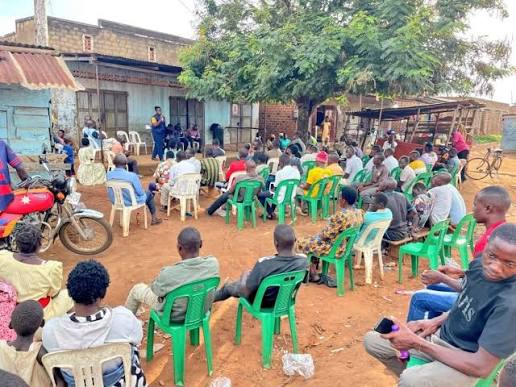
The report highlights several examples of successful interventions across the five countries. In South Sudan, women formed organized walking groups to reduce the risk of sexual violence, while local protection committees helped mediate land and resource disputes before they escalated into conflict.
In Palestine, families used emergency protection cash assistance to reinforce homes against attacks while also accessing psychosocial support services. In Colombia, emergency assistance enabled families to escape areas where armed groups were attempting to recruit children.
According to the evaluation, the community-led approach has also strengthened trust and social cohesion by encouraging residents to jointly identify security risks and develop practical solutions.
Despite these achievements, the report identifies significant challenges limiting the long-term effectiveness of protection programming.
It notes that weakened humanitarian services often undermine referrals for survivors requiring specialized assistance. In South Sudan, for example, patients referred for advanced medical treatment frequently remain stranded because health facilities have closed, roads are unsafe, and transportation costs are beyond their means.
The evaluation also argues that traditional donor reporting systems fail to adequately capture the impact of protection programmes, which focus on long-term outcomes such as community empowerment, confidence and social cohesion rather than large-scale distribution of material assistance.
Researchers further found that many conflict-affected communities view poverty, food insecurity, unemployment and lack of clean water as the underlying drivers of violence, making it difficult to separate protection concerns from broader humanitarian needs.
Another concern raised is the growing burden placed on volunteer community protection committees, whose members often work without compensation while facing repeated exposure to traumatic situations.
To strengthen future programming, the evaluation recommends increased investment in community volunteers through psychosocial support, official recognition and modest operational resources. It also calls for stronger links between protection activities and other humanitarian sectors such as shelter, water and livelihoods, ensuring that protection risk assessments help prioritize broader assistance.
The report further recommends improving protection case management by introducing clearer procedures for handling complex, long-term cases that cannot be resolved by frontline humanitarian workers alone.
The findings reinforce the growing recognition that community-led protection remains a critical component of humanitarian response, helping vulnerable populations reduce the immediate impacts of violence while strengthening local resilience in some of the world’s most fragile settings.