UN, EU Call for Immediate Halt to Fighting in South Sudan
By Kidega Livingstone
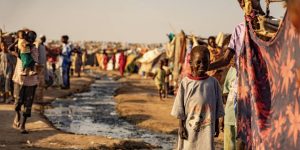
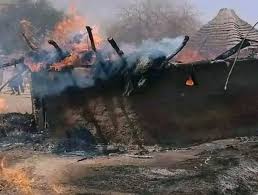
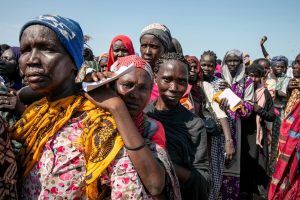
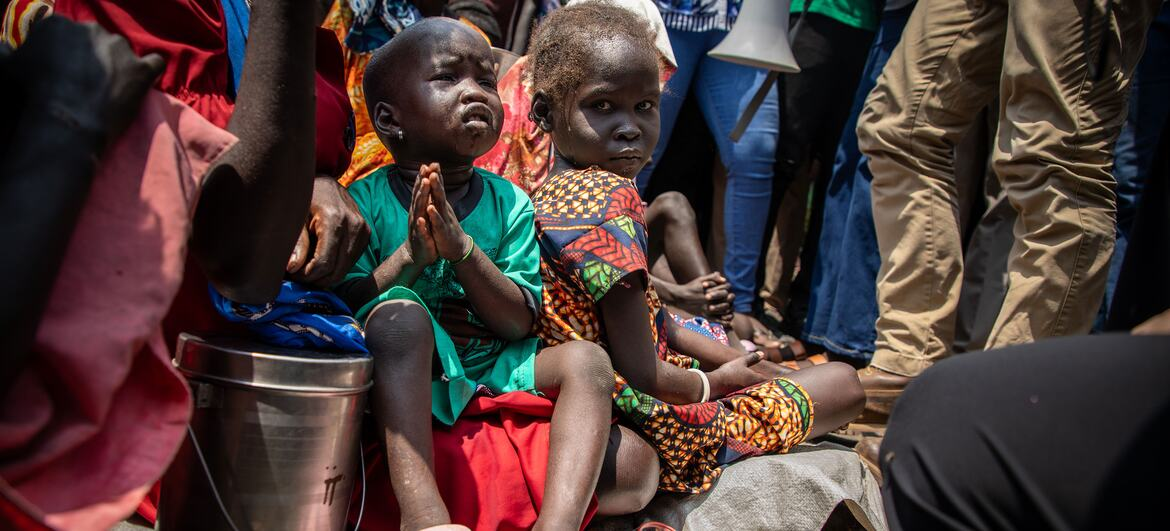
The United Nations and the European Union have called for an immediate halt to the ongoing fighting in South Sudan, warning that the violence is worsening the situation for women and girls in conflict-affected areas.
Speaking during celebrations marking International Women’s Day on Friday, the peace partners said the continued clashes, particularly in Jonglei State and Upper Nile State, have created an environment where many women are unable to live in safety and dignity.
The Deputy Special Representative of the Secretary-General for the United Nations Mission in South Sudan, Anita Kiki Gbeho, said the fighting must stop and urged the parties to the peace agreement to prioritize dialogue.
“Women and girls should not be victims of conflict; they must be protected,” she said. “I also call on the leadership to empower women and girls economically.”
Meanwhile, the Deputy Head of the European Union Delegation to South Sudan, Lothar Jaschke, expressed concern that armed conflict continues to expose women and girls to sexual violence in affected areas.
He urged the government to intensify efforts to combat gender-based violence. “The Ministry of Gender and members of parliament have the responsibility to address the prevailing gender-based violence in the country,” he said.
The National Minister of Gender, Child and Social Welfare, Nuna Rhoda Rudolf, acknowledged that women and girls in South Sudan still face significant barriers in economic participation, leadership and access to justice.
She emphasized that every woman and girl deserves to live in safety, dignity and freedom.
“The government of South Sudan remains committed to addressing these challenges by advancing the enactment of the Gender-Based Violence Bill, the Family Bill and the Women Enterprises Bill,” she said.
According to the United Nations Population Fund, South Sudan records one of the highest prevalence rates of gender-based violence in the region. Conflict, displacement and economic hardship, combined with weak protection systems, have significantly increased women’s exposure to violence, exploitation and abuse.