WHO Warns of Escalating Health Emergencies Across Eastern Mediterranean as Sudan Crisis Deepens
Credit: WHO
By Sasuk Taban
The World Health Organization (WHO) has warned that humanitarian and health emergencies across the Eastern Mediterranean Region continue to worsen, with Sudan remaining the region’s largest humanitarian crisis amid conflict, disease outbreaks, mass displacement and severe funding shortages.
According to WHO’s June 2026 Health Emergencies Situation Report, the region has 117 million people in need of humanitarian assistance, 80 million people facing crisis levels of acute food insecurity, and 60.4 million displaced people. The report also recorded 62 active disease outbreaks across 19 countries and a 40 percent funding gap for emergency health operations.
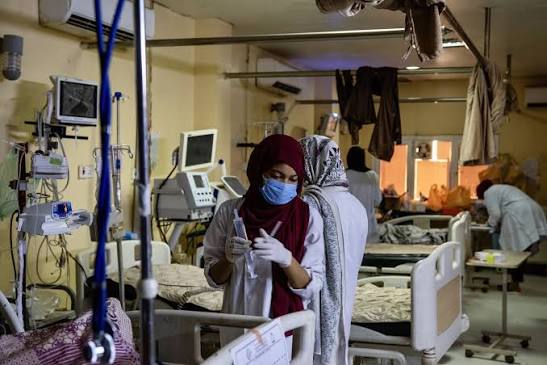
WHO said Sudan continues to bear the heaviest burden, with 30.4 million people requiring humanitarian assistance, 13.5 million displaced, multiple disease outbreaks, and health services increasingly threatened by funding shortages. The crisis has been compounded by conflict, climate shocks and deteriorating food insecurity across the Greater Horn of Africa.
The report estimates that nearly 19.5 million people in Sudan are experiencing acute food insecurity, while more than 825,000 children are expected to suffer from severe acute malnutrition during 2026. Funding shortages have also placed approximately 160 health facilities at risk of closure, raising concerns over access to lifesaving medical care.
Disease outbreaks remain a major concern. As of early July, Sudan had reported 1,332 suspected cholera cases and 141 deaths, alongside ongoing outbreaks of hepatitis E, measles and meningitis. WHO has strengthened cholera preparedness by supporting treatment centres, laboratory services, rapid response teams and oral rehydration points in affected areas.
WHO also warned that Sudan is among the countries at highest risk of importing Ebola disease caused by the Bundibugyo virus, owing to population movements and fragile health systems.
A WHO preparedness mission conducted in June found that while Sudan has an operational Emergency Operations Centre and a national contingency plan, significant gaps remain in surveillance, laboratory capacity, border screening and isolation facilities.
To sustain emergency operations across the region, WHO is appealing for US$633 million, with 40 percent of the funding still outstanding. In addition, the agency has launched a US$6.42 million appeal to support critical health and nutrition interventions in Sudan, Somalia and Djibouti over the next six months.
The organization stressed that continued international support is essential to maintain health services, strengthen disease surveillance, respond to outbreaks, and provide lifesaving care to millions of vulnerable people affected by conflict and humanitarian crises across the region.