WHO: Eastern Mediterranean region accounts for nearly half of global humanitarian needs
Credit: WHO EMRO
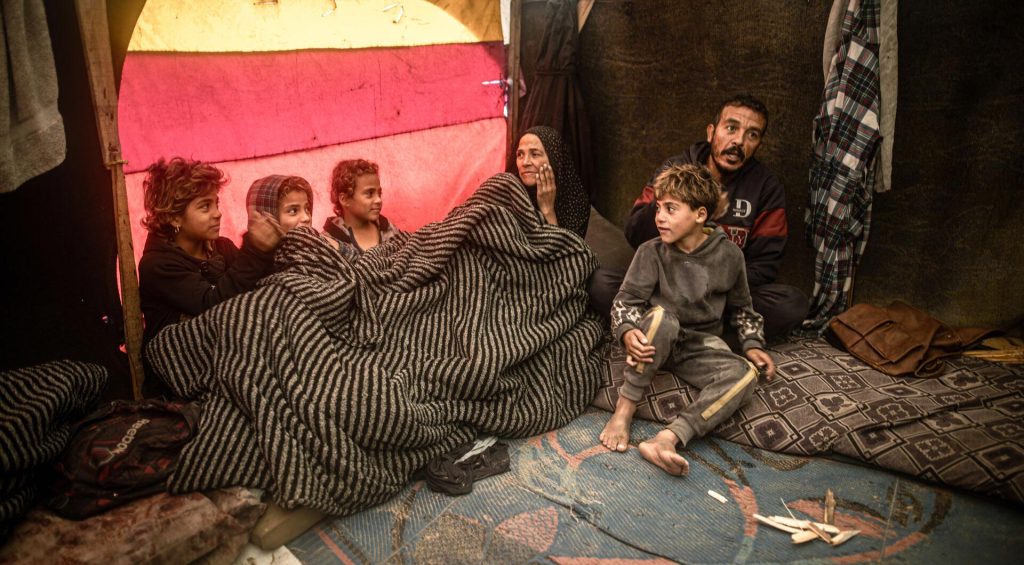
The World Health Organization warned that nearly half of the world’s humanitarian needs are concentrated in its Eastern Mediterranean Region, where conflict, disease outbreaks, extreme weather and funding shortages are overwhelming health systems.
The region is home to about 8% to 9% of the world’s population but accounts for 49% of people requiring humanitarian assistance globally, according to a WHO regional situation report covering July 2026.
The report estimates that 117 million people across the region need humanitarian assistance, while 80 million face crisis levels of acute food insecurity and about 60.4 million people are displaced.
The WHO is managing 13 acute and protracted health emergencies and 48 active disease outbreaks across the region.
The Sudan crisis and escalating violence in the Middle East are classified as acute Grade 3 emergencies by the WHO. Protracted Grade 3 emergencies include Afghanistan, the occupied Palestinian territory, Somalia, Syria and Yemen.
The report documented 19 verified attacks on health care services in four countries during July, accounting for more than half of the 36 such incidents recorded worldwide during the month.
In Lebanon, 4,335 deaths and 12,281 injuries had been reported since March 2, while 360,132 people remained internally displaced, according to the report.
Violence in Iran between June 27 and July 24 killed 59 people and injured more than 666 others. Airstrikes in Iraq on July 29 killed about 20 people and injured 32, the report said.
Meanwhile, heavy monsoon rains and flash floods in Afghanistan and Pakistan caused 184 deaths and 597 injuries and damaged water, sanitation and health infrastructure.
Health systems are also struggling to contain multiple infectious disease outbreaks.
Sudan is experiencing simultaneous outbreaks of cholera, dengue, malaria, measles, diphtheria and polio, according to the WHO.
Somalia recorded 15,800 cholera and acute watery diarrhea cases during the first 30 weeks of the year. Weekly cases increased from 200 in week 27 to 817 in week 30. The country also reported about 2,200 diphtheria cases, with 67% occurring among people who had not been vaccinated.
Iraq recorded 284 cases of Crimean-Congo hemorrhagic fever and 24 deaths through the end of July.
In Syria, 1,159 cases of acute gastroenteritis were reported in the Masyaf district, with water contamination identified as a contributing factor.
Flooding also affected 11,837 people across seven Sudanese states and damaged 25 health facilities.
Severe funding shortages are forcing health organizations to reduce or suspend essential services across the region.
Sudan’s $97.7 million health response requirement was only 14.1% funded, leaving 85.9% unmet. Syria’s $292 million health requirement was 21% funded, with 28% of targeted health facilities fully suspended.
Somalia’s health sector plan was also only 21% funded, contributing to the closure of more than 500 health facilities, including about one-third of facilities in the South-West State.
The WHO said the combination of conflict, climate shocks, disease outbreaks and underfunding is placing unprecedented pressure on already weakened health systems.
The agency warned that without sustained international support, the region’s health systems will face further disruption at a time when millions of people are already dependent on humanitarian assistance.