Attacks on Sudan health care persist as conflict cripples medical system
Credit: Luke Dray
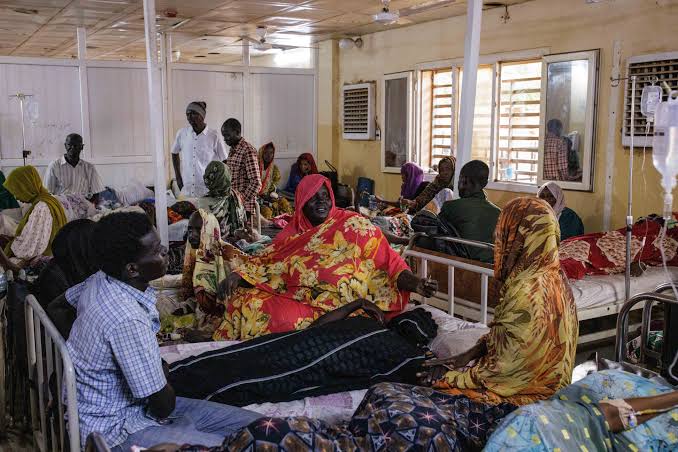
Violence and obstruction targeting health care services in Sudan remain widespread, with medical workers killed, facilities damaged and hospitals forced out of service despite a decline in the number of reported incidents, according to the Safeguarding Health in Conflict Coalition.
The coalition documented 134 incidents of violence against or obstruction of health care in Sudan. The figure was down from 274 incidents the previous year, but the report warned that the decline may partly reflect disruptions to monitoring and reporting after a U.S. funding freeze affected humanitarian programs and local reporting capacity.
At least 54 health care workers were killed and 47 were arrested during the reporting period, while 40 health facilities were damaged or destroyed. The coalition also documented 24 armed drone strikes affecting health care facilities.
More than two-thirds of major hospitals in Sudan are out of service, while shortages of medical supplies have further weakened the country’s health system.
The Rapid Support Forces were linked to more than 80% of reported incidents, including at least 92 specific attacks and 43 killings of health workers, according to the coalition.
In North Darfur, the RSF siege of El Fasher was accompanied by repeated attacks on health facilities. The city accounted for about half of the reported killings of health care workers.
The Saudi Obstetrics and Gynecology Hospital in El Fasher was attacked six times. In one of the most deadly incidents, RSF fighters allegedly raided the hospital, killing more than 460 patients and a nurse.
The Sudanese Armed Forces were linked to at least 14 incidents, including airstrikes that damaged health facilities in Nyala and the occupation of three hospitals in Khartoum.
The coalition also documented incidents involving the Sudan People’s Liberation Movement/Army-North, Joint Forces of Armed Struggle Movements and other armed groups and militias.
The attacks come as Sudan faces one of the world’s largest displacement and humanitarian crises.
About 13.6 million people have been displaced across the country, while roughly 25 million — more than half of the population — depend on humanitarian assistance.
Famine has been declared in 10 areas, according to the report, while a 61% funding gap has left humanitarian operations struggling to meet growing needs.
The Kordofan states — North, South and West Kordofan — experienced more than a fourfold increase in reported attacks and obstructions against health care.
In Khartoum and Omdurman, intense urban fighting has resulted in hospitals being repurposed or occupied by military forces.
Health care attacks declined in Gezira state after the Sudanese Armed Forces recaptured the state capital in January, according to the coalition.
The report said the humanitarian crisis has been compounded by restrictions on aid, damage to medical infrastructure and shortages of essential supplies.
It warned that the decline in reported incidents should not be interpreted as an improvement in the safety of Sudan’s health care system, particularly as funding cuts have weakened the ability to document attacks and monitor conditions on the ground.