WFP Warns of Rising Crop Failure Risk as El Niño Intensifies Across South Sudan
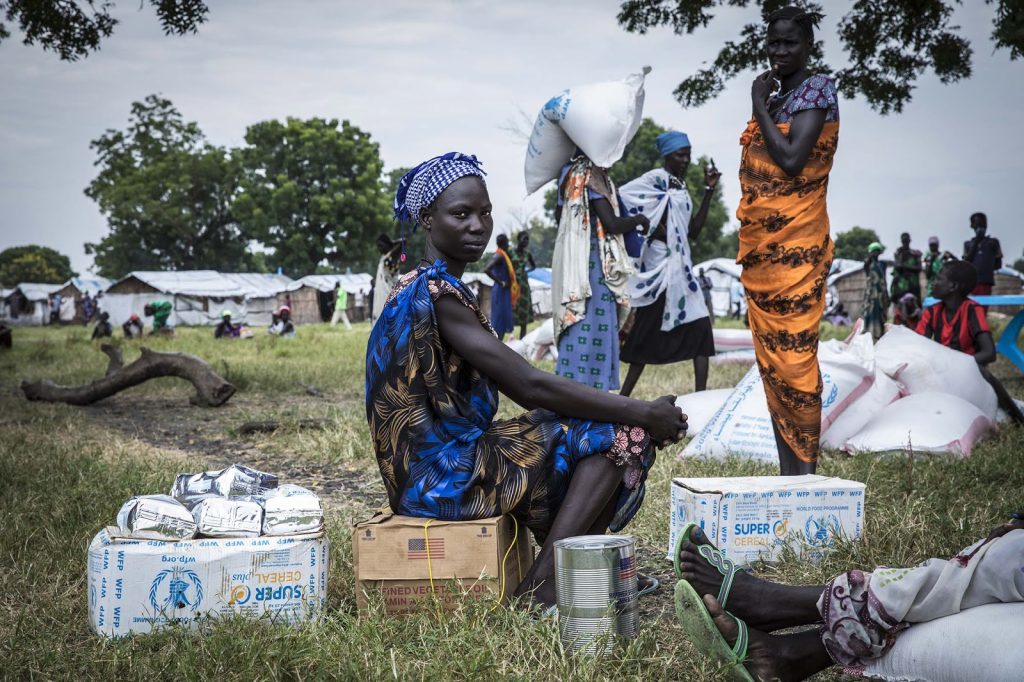
Copyright: WFP/Gabriela Vivacqua.
South Sudan faces an increasing risk of poor agricultural production as below-average rainfall, soaring temperatures, and the strengthening El Niño weather pattern threaten crops during the peak of the 2026 growing season, according to the latest World Food Programme (WFP) Global Seasonal Outlook.
South Sudan among the countries in Eastern Africa experiencing persistent rainfall deficits, delayed seasonal onset, and worsening soil moisture conditions that are placing crops under significant stress.
According to the report, rainfall across South Sudan has fluctuated between wetter- and drier-than-average conditions since May, with recent weeks seeing more widespread deficits. Above-average temperatures have further intensified moisture loss, delaying the start of the rainy season in parts of northern South Sudan and increasing the likelihood of reduced agricultural yields.
WFP warns that forecasts through the end of July indicate below-average rainfall is likely to continue across much of South Sudan. Seasonal projections for August to October also point to below-normal precipitation accompanied by exceptionally high temperatures.The agency cautions that these conditions coincide with the most critical stage of the country’s main agricultural season, when crops require consistent rainfall for healthy growth. Continued rainfall shortages could therefore increase water stress, weaken crop development, and reduce harvests.
The report links the deteriorating outlook to the rapid development of El Niño, which has strengthened significantly in recent months. WFP says there is now an 81 percent probability that a very strong El Niño event will occur between October and December 2026, with impacts expected to continue into early 2027.
Sea surface temperatures across the Pacific have already reached record levels, surpassing those observed during the 2023–2024 El Niño event. Scientists warn that the unusually rapid intensification of the phenomenon could trigger prolonged disruptions to global weather patterns, increasing the likelihood of droughts, floods, heatwaves, and other climate extremes worldwide.
Beyond South Sudan, WFP notes that similar dry conditions are affecting Sudan and parts of Ethiopia, while other regions—including the eastern Sahel, Latin America, and parts of South and Southeast Asia—are also facing rainfall deficits that threaten agricultural production.
The report urges close monitoring of seasonal weather conditions, warning that prolonged rainfall deficits during the remainder of the growing season could have significant implications for food production and food security in vulnerable countries such as South Sudan.