WFP Warns El Niño-Driven Dryness Could Worsen Crop Prospects in South Sudan
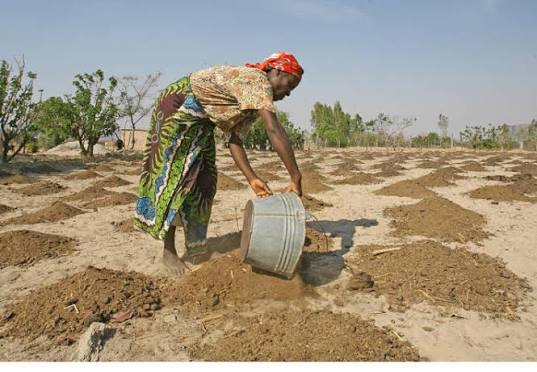
Persistent rainfall deficits and unusually high temperatures are threatening agricultural production across South Sudan, with below-average rainfall forecast to continue through November, according to the World Food Programme’s August 2026 Global Seasonal Outlook.
The outlook says parts of Eastern Africa, including South Sudan, have experienced exceptionally low rainfall since June, with some areas recording rainfall totals among the lowest observed since 1981. Above-average temperatures have further intensified moisture deficits and contributed to vegetation stress.
Seasonal forecasts indicate a high probability of below-average rainfall through November across much of South Sudan and southern Sudan. The WFP said the limited opportunity for recovery during the remainder of the growing season could lead to a significant deterioration in crop production prospects.
The worsening conditions are linked in part to a strengthening El Niño climate pattern. The WFP outlook says there is a 95% probability of a very strong El Niño event during the October-December period, while the likelihood of an unprecedented event exceeding 2.5 degrees Celsius has reached 69%.
El Niño can redistribute rainfall, increasing the likelihood of drought in some regions while raising flood risks in others. The WFP cautioned that stronger El Niño conditions do not necessarily translate into proportionally greater impacts, but they can increase the likelihood of certain climate extremes.
For South Sudan, the outlook presents a mixed risk. While dry conditions are expected to undermine crop production, flooding remains a concern. The report projects that the extent of flooding could be lower than in recent years.
Later in the year, the combined influence of El Niño and a potentially positive Indian Ocean Dipole could bring above-average rainfall between October and January across southern parts of Eastern Africa and the Horn of Africa. The additional rainfall could improve soil moisture but also increase the risk of heavy rains, flash floods and localized flooding.
The WFP outlook highlights the importance of closely monitoring rainfall and agricultural conditions as South Sudan moves through the remainder of the 2026 growing season.