Sudanese Returnees Face Protection and Assistance Needs as More People Return From Neighbouring Countries
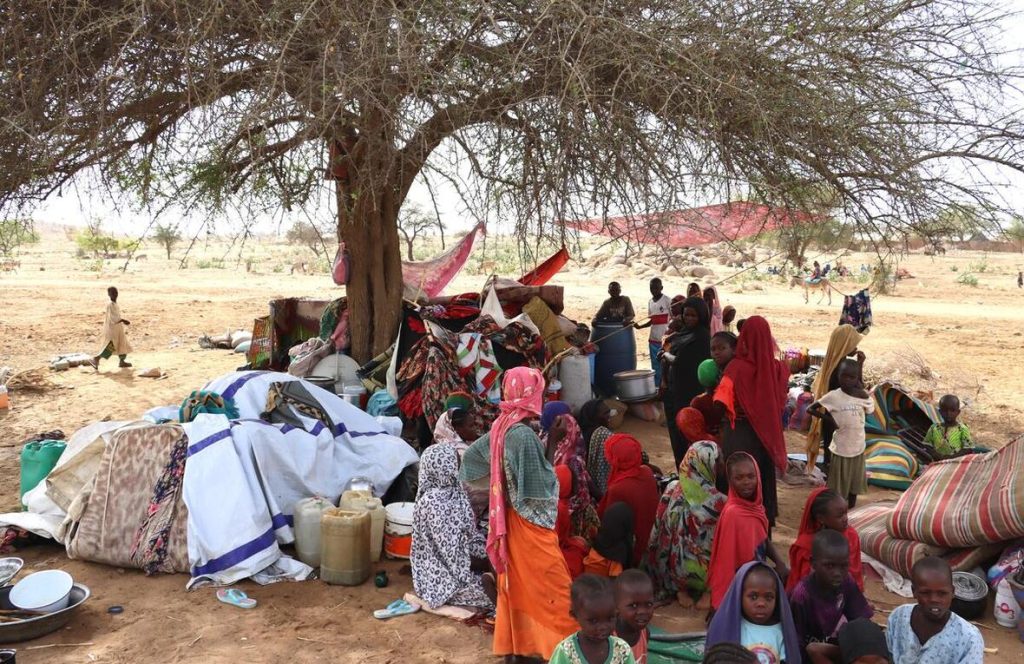
Credit: UNHCR
Thousands of Sudanese refugees are returning from neighbouring countries as displacement patterns continue to shift amid the ongoing crisis in Sudan, according to a UNHCR overview published Aug. 23.
The report, which tracks returns as of Aug. 15, 2026, shows that 72% of Sudanese returnees intend to return to their areas of origin, although some have not yet reached their intended destinations.
The data covers Sudanese returning from countries including Egypt, South Sudan, Chad, Ethiopia, Uganda, Libya and countries in the Gulf region. The report distinguishes between people who intend to remain in Sudan, those planning to return to the country they arrived from and those planning to move onward to another country.
UNHCR said the findings are based on border monitoring conducted since July 2024 and should be considered indicative of concerns raised by people returning to Sudan. The monitoring does not determine people’s registration or refugee status.
Returnees reported a range of protection and assistance needs, including concerns affecting women and girls, children, older people and people with disabilities. Other priorities include family reunification, documentation, legal assistance, access to asylum and information.
The report also identifies key humanitarian assistance needs, including food, health care, water and sanitation, shelter, non-food items, mental health and psychosocial support, financial assistance and connectivity.
Among those surveyed, 45% reported long processing times at borders, while 41% said they had experienced protection risks in countries they were departing from. Another 17% said family members had been left behind, highlighting the challenges facing families separated by displacement.
The assessment is based on a sample of 5,526 people monitored at Sudanese borders. UNHCR cautioned that the figures represent reported concerns among monitored returnees rather than a comprehensive assessment of all people returning to Sudan.
The continued return movement underscores the need for humanitarian agencies and authorities to strengthen protection, documentation, family reunification and access to essential services for returnees as they attempt to rebuild their lives in their areas of origin.