South Sudan Records Highest Number of Aid Worker Killings in 2026, New Report Shows
Credit: BBC
By Sasuk Taban
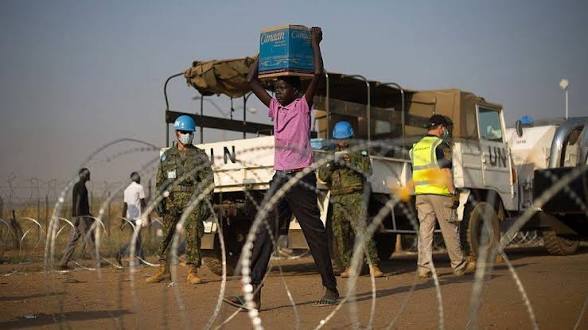
South Sudan has recorded the highest number of aid worker deaths globally in the first half of 2026, according to a new report by Insecurity Insight, highlighting the worsening security risks facing humanitarian personnel across the country.
The Aid in Danger News Brief covering the period from 24 June to 7 July 2026 states that at least 15 aid workers were killed in South Sudan between 1 January and 19 June, making the country the deadliest place for humanitarian workers during the reporting period.
Globally, Insecurity Insight documented at least 158 incidents across 23 countries and territories in which aid workers were killed, injured, kidnapped or arrested. These incidents resulted in 65 aid worker deaths, 123 injuries, 46 kidnappings and 83 arrests.
The report notes that more than half of all aid worker killings worldwide occurred in just three locations: South Sudan, the occupied Palestinian territory, and Sudan. Unlike the latter two, where most deaths resulted from drone and artillery attacks, aid workers in South Sudan were primarily killed in shootings, with one fatality linked to an airstrike.
One of the deadliest recent incidents occurred on 29 June in Duk County, Jonglei State, where a humanitarian convoy belonging to the John Dau Foundation (JDF) was ambushed by armed Murle youth while returning from a joint training organized by the World Food Programme (WFP) and Action Against Hunger.
According to the report, at least 17 people were killed in the attack, including five JDF aid workers, while nine others—including three JDF staff members and a driver—were injured.
The attack has raised fresh concerns over the safety of humanitarian workers operating in conflict-affected areas of South Sudan, where aid agencies continue to deliver life-saving assistance to vulnerable communities despite mounting security challenges.
Insecurity Insight said it continuously monitors violence affecting humanitarian operations worldwide to help aid agencies improve staff safety, manage security risks and sustain access to populations in need. The organization noted that its figures are regularly updated as additional verified information becomes available.