South Sudan Nutrition Response Reaches Over 758,000 People as Funding Shortfall Threatens Lifesaving Services
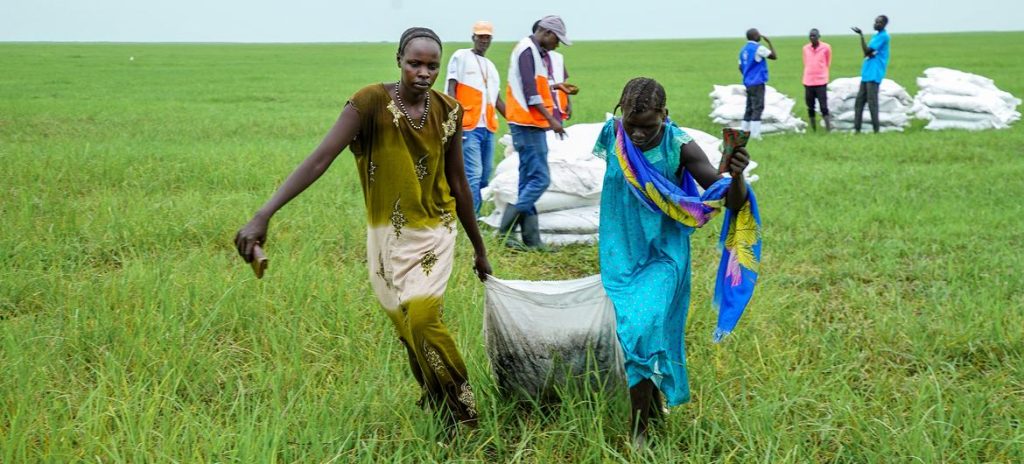
Credit: UN News
More than 758,000 vulnerable people received life-saving nutrition assistance across South Sudan during the first six months of 2026, despite worsening insecurity, funding shortages and operational challenges, according to the South Sudan Nutrition Cluster’s Q3 2026 Quarterly Bulletin.
The report says 758,784 beneficiaries were admitted into Community-based Management of Acute Malnutrition (CMAM) programmes between January and June. The response included treatment for 195,476 children suffering from Severe Acute Malnutrition (SAM), 341,047 children with Moderate Acute Malnutrition (MAM), 7,123 admissions to stabilization centres, and nutrition support for 222,261 pregnant and breastfeeding women. An additional 180,371 children aged 6–23 months and 135,546 pregnant and breastfeeding women received preventive nutrition assistance through Blanket Supplementary Feeding Programmes.
The Nutrition Cluster reported that partners achieved 36 percent of the annual SAM target, 51 percent of the MAM target and 41 percent of the target for pregnant and breastfeeding women, marking an improvement over the same period in 2025. However, the cluster warned that without urgent donor support, nutrition services could decline during the second half of the year when acute malnutrition is expected to peak.
Preventive nutrition activities also expanded nationwide, with 28,939 Infant and Young Child Feeding (IYCF) support groups conducting 65,721 counselling sessions to promote healthy feeding practices and prevent malnutrition among children and mothers.
The bulletin highlights continued concern over the country’s nutrition situation, noting that humanitarian partners are scaling up emergency interventions in 12 priority counties severely affected by conflict, displacement, food insecurity and disease outbreaks. The emergency response plan aims to reach nearly 129,000 vulnerable children and women, but faces an estimated US$8.1 million funding gap after securing only half of the required resources.
The report also outlines ongoing preparedness measures against the threat of Bundibugyo Virus Disease (Ebola). Although South Sudan has not recorded any Ebola cases, the Nutrition Cluster, Ministry of Health, WHO and partners have developed operational guidelines, nutrition strategies and infant feeding protocols to ensure essential nutrition services continue safely should an outbreak occur.
Meanwhile, nationwide nutrition assessments, including SMART surveys and the Food Security and Nutrition Monitoring System (FSNMS), are underway to provide updated evidence on malnutrition and food security. The findings will inform humanitarian planning and resource allocation for the 2027 response.
Humanitarian agencies warned that sustained funding and improved access to conflict-affected communities will be critical to preventing further deterioration in the nutrition situation and ensuring lifesaving services continue to reach the country’s most vulnerable populations.