Hunger, Conflict and Cholera Deepen South Sudan Humanitarian Crisis – OCHA
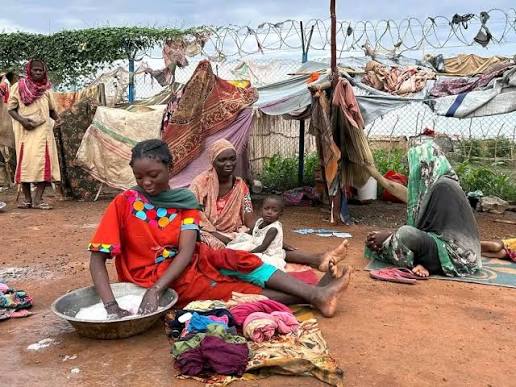
South Sudan is facing a worsening humanitarian crisis as prolonged drought, escalating conflict, cholera outbreaks and funding shortages continue to push millions of people into deeper vulnerability, according to the latest humanitarian update from the United Nations Office for the Coordination of Humanitarian Affairs (OCHA).
A joint assessment conducted in Lafon County, Eastern Equatoria State, found that prolonged dry conditions have triggered severe food shortages, widespread crop failure and increasing cases of acute malnutrition, particularly among children under five. More than 1,200 people have reportedly fled the county in search of food and livelihood opportunities, while humanitarian agencies are preparing a multisectoral emergency response.
The report also warns that emerging drought conditions could affect more than 1.46 million people across Eastern Equatoria, Central Equatoria, Jonglei and the Greater Pibor Administrative Area, threatening food production, livestock and water supplies.
In Jonglei State, humanitarian assessments in Akobo West Payam revealed alarming levels of food insecurity among returnees, with many families surviving on wild foods. The Global Acute Malnutrition rate has reached 22.3 per cent, well above the emergency threshold of 15 per cent, highlighting an urgent need for nutrition interventions.
Despite security challenges, humanitarian partners delivered food assistance to more than 341,000 people across six counties in Jonglei during July. Additional relief operations have also reached Udier Payam in Upper Nile State, although major gaps remain in health, nutrition and education services.
Meanwhile, cholera continues to spread across South Sudan. Authorities and health partners launched an Oral Cholera Vaccination campaign in Unity State, targeting hotspot areas in Rubkona, Mayom and Leer counties with more than 435,500 vaccine doses.
As of 26 July 2026, South Sudan had recorded 109,908 cholera cases and 1,720 deaths, with the highest transmission reported in Unity State and parts of Upper Nile and Jonglei.
The report also highlights continued efforts to strengthen Ebola preparedness following the outbreak in the Democratic Republic of the Congo. National preparedness has improved to 65 per cent, with nearly 92,650 travellers screened at key border points between 21 and 25 July. Health authorities confirmed that a suspected Ebola alert in Ezo County was investigated and tested negative.
Security remains a major concern for humanitarian operations. Fighting along the South Sudan–Uganda border displaced an estimated 9,100 people in Kajo-keji County and disrupted Ebola screening activities. Across the country, aid agencies recorded 60 humanitarian access incidents in July, including attacks against aid workers and operational restrictions.
Two humanitarian workers abducted along the Yei–Kaya Road were safely released after six days in captivity, while six aid workers were killed during July, underscoring the growing risks faced by humanitarian personnel.
OCHA also warned that humanitarian funding remains critically inadequate. As of 31 July, only US$505 million, or 34.5 per cent, of the US$1.46 billion required under the 2026 Humanitarian Needs and Response Plan had been received, leaving a funding gap of US$958 million. The shortage threatens food assistance, logistics operations and other life-saving services across the country.
Humanitarian agencies are urging increased financial support and improved access to vulnerable communities to prevent further deterioration of the humanitarian situation.