IOM Scales Up Cross-Border Ebola Response as Bundibugyo Outbreak Expands Across Central and East Africa
Credit: IOM DRC
The International Organization for Migration (IOM) has intensified its cross-border preparedness and response efforts as the Bundibugyo strain of Ebola continues to spread across the Democratic Republic of the Congo (DRC) and Uganda, while neighboring countries, including South Sudan, remain on high alert.
According to IOM’s Multi-country Bundibugyo Ebola Virus Disease Outbreak Situation Report No. 8, the World Health Organization (WHO) reported that, as of 4 July 2026, the DRC had confirmed more than 1,500 Ebola cases caused by the Bundibugyo virus. Uganda had confirmed 20 cases as of 5 July, with no new infections recorded during the latest reporting period.
IOM warned that continued cross-border movement, population displacement and migration are increasing the risk of regional disease transmission, requiring urgent action to save lives and strengthen public health systems.
In response, IOM has expanded its operations under the Inter-Agency Standing Committee (IASC) emergency scale-up, focusing on active response efforts in the DRC and Uganda while strengthening preparedness in high-risk neighboring countries, including South Sudan, Burundi and Rwanda. Additional preparedness activities are also underway in Angola, the Central African Republic, Ethiopia, Kenya, the Republic of the Congo, Tanzania and Zambia.
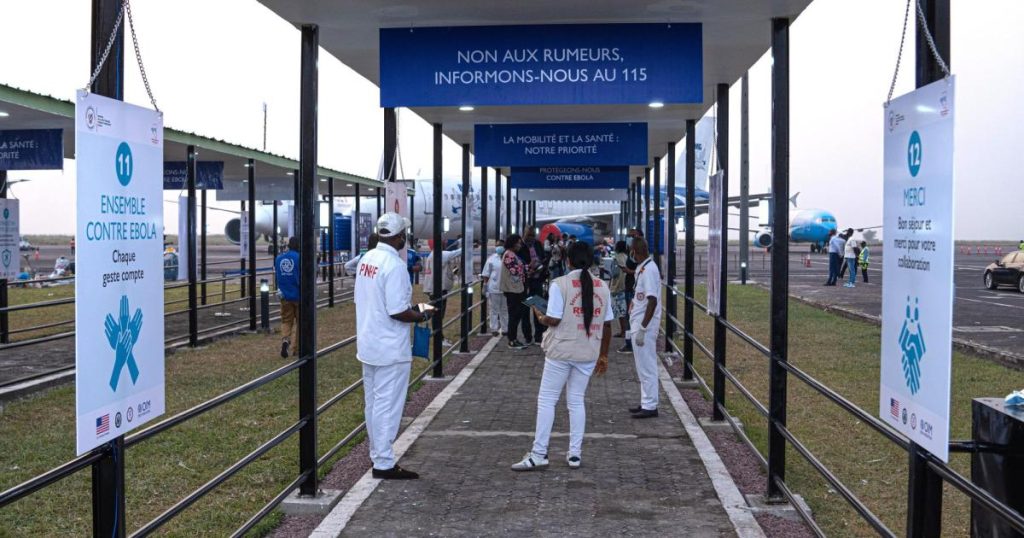
During the reporting period, IOM supported more than 1.04 million health screenings at points of entry and points of control in the DRC, generating 38 health alerts, 18 of which were validated. In Uganda, more than 44,000 health screenings generated three alerts, all of which were either discarded or tested negative.
South Sudan also strengthened its preparedness efforts, with IOM supporting 162,987 health screenings and expanding operations in seven new border locations along the frontiers with the DRC and Uganda. Frontline personnel received training on Ebola screening, infection prevention and control, and risk communication.
The organization also continued public awareness campaigns in South Sudan, reaching nearly 100,000 people in Juba, Nimule, Lasu, Okaba, Pogee and Yei with Ebola prevention messages aimed at improving community preparedness and early reporting.
IOM noted that the outbreak is unfolding amid conflict, displacement and humanitarian crises, particularly in eastern DRC, where insecurity and limited access continue to hamper response operations. The agency stressed that internally displaced persons, migrants and returnees remain especially vulnerable because of overcrowded living conditions and limited access to health services.
The report further highlighted the importance of population mobility mapping and strengthened cross-border coordination to identify high-risk travel routes, improve disease surveillance and support timely public health interventions.
IOM reaffirmed its commitment to working with governments and partners across the region to strengthen border health systems, enhance community engagement, improve surveillance, and support coordinated efforts to prevent further cross-border transmission of the Bundibugyo Ebola virus.