Uganda to Face High Food Assistance Needs Through January 2027, FEWS NET Warns
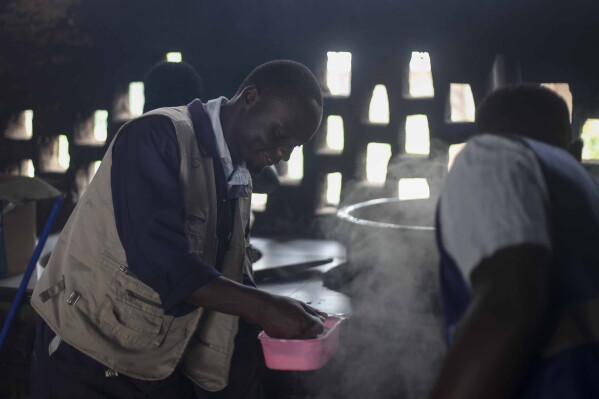
Credit: AP News
An estimated 2.5 to 2.99 million people in Uganda will require humanitarian food assistance between June 2026 and January 2027, with refugees and vulnerable households in the Karamoja region expected to remain the hardest hit, according to a new Food Security Outlook released by the Famine Early Warning Systems Network (FEWS NET).
The report projects that food assistance needs will peak between September and November, driven by the depletion of first-season food stocks in bimodal farming areas and extremely poor harvests anticipated in Karamoja due to below-average rainfall.
FEWS NET warns that Crisis (IPC Phase 3) food insecurity is expected to persist in refugee settlements in northern Uganda through January 2027 despite ongoing humanitarian assistance. In southwestern refugee settlements, where refugees generally have better access to farmland, Stressed! (IPC Phase 2!) conditions are expected through September before deteriorating to Crisis (IPC Phase 3) between October and January as food stocks are exhausted.
The report notes that although the World Food Programme (WFP) increased food ration sizes in February 2026, an estimated 1.1 million refugees are currently not receiving food assistance because of funding constraints.
Karamoja is also expected to remain in Crisis (IPC Phase 3) through January 2027 after prolonged dry spells caused crop losses estimated at 50 to 70 percent across much of the region. Poor households, many of whom own very few livestock, are expected to depend heavily on market purchases despite limited income opportunities.
FEWS NET says most other parts of Uganda are expected to record Stressed (IPC Phase 2) food security outcomes, supported by near-average first-season harvests, while some central areas are expected to maintain Minimal (IPC Phase 1) food insecurity due to better market access and diversified livelihoods.
The report highlights several factors driving food insecurity, including prolonged dry weather, rising fuel prices, reduced agricultural production, regional demand for food exports, and restrictions linked to Ebola prevention measures that have affected trade and income opportunities in border districts.
Looking ahead, FEWS NET forecasts below-average rainfall in Karamoja through September, likely leading to below-average cereal production, declining pasture conditions, increased livestock migration, and heightened competition over grazing land and water resources.
The agency also warns that humanitarian resources remain insufficient to meet growing needs, with current funding expected to support refugee food assistance only through December 2026. WFP estimates an additional US$134 million will be required to continue refugee food assistance programmes in 2027.
FEWS NET concludes that while near-average harvests in much of Uganda will help stabilize food availability, millions of refugees and poor households—particularly in Karamoja and northern refugee settlements—will continue to require humanitarian support through early 2027.