Humanitarian Access in South Sudan Worsens as 65 Incidents Recorded in July
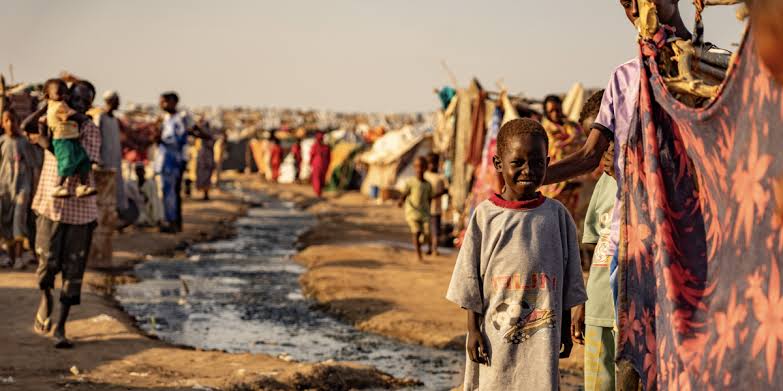
Credit: JRS
Humanitarian access in South Sudan remained severely constrained in July as conflict, attacks on aid workers, movement restrictions, bureaucratic hurdles and deteriorating roads disrupted the delivery of assistance, according to a U.N. humanitarian report.
The U.N. Office for the Coordination of Humanitarian Affairs and humanitarian partners recorded 65 humanitarian access incidents during July, up from 63 in June. The highest number of incidents was reported in Upper Nile, Central Equatoria, Jonglei and Unity states.
Six humanitarian workers were killed during the month, including two in Jonglei, two in the Greater Pibor Administrative Area and two in Warrap State. Three other humanitarian workers were abducted in Central and Western Equatoria, with ransom demands reportedly made.
In Northern Jonglei, intensified fighting forced the relocation of 10 humanitarian personnel. In Warrap State’s Tonj North County, an attack on Alabek Primary Health Care Centre killed a midwife and a Boma Health Worker and led to the looting and destruction of medical supplies and equipment.
The attack disrupted health services for an estimated 51,086 people, including an average of 588 outpatient consultations each month, the report said.
In Renk County, the reported presence of armed elements in Atam Boma forced the suspension of nutrition and health services for two weeks, affecting about 4,860 people.
Humanitarian movements also remained restricted in parts of Northern Jonglei, particularly Nyirol, Uror and Akobo counties. Restrictions on the movement of cash, fuel and communications equipment into areas controlled by opposition forces further complicated the delivery of assistance.
More than 10 checkpoints operated by armed groups along the Nile and Sobat river corridors hindered the movement of humanitarian personnel and cargo. Limited navigation along the Sobat corridor added to the difficulties.
Humanitarian organizations also reported unauthorized taxes and fees, recruitment interference, approval fees for job advertisements and subnational registration requirements, particularly in Upper Nile. Reported fees ranged from $150 to $200, increasing operational costs and causing delays.
Heavy seasonal rainfall and flooding further affected access, with poor road conditions delaying aid deliveries and restricting access to vulnerable communities. The Duk-Ayod and Walgak-Akobo-Pibor corridors in Jonglei, Rubkona County in Unity and the Abyei Administrative Area were among the areas affected.
The report said the combination of insecurity, movement restrictions, bureaucratic barriers and deteriorating infrastructure continued to hamper humanitarian operations and the timely delivery of life-saving assistance across South Sudan.
A total of 456 humanitarian access incidents were reported between January and July, representing a 51% increase from the same period in 2025.
The report, released Aug. 11, cautioned that the figures reflect only incidents reported by humanitarian actors and may not represent the full scale of access problems during the period.