Food Prices Rise in Parts of South Sudan as Harvests and Cross-Border Supplies Tighten
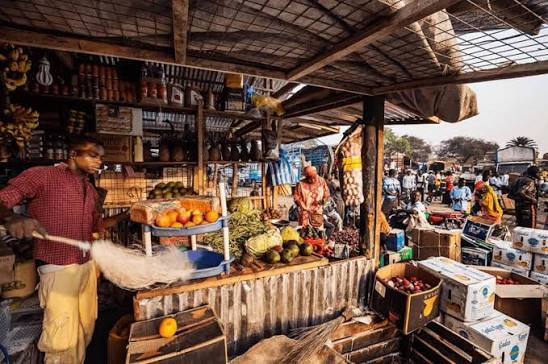
Food prices declined in several South Sudanese markets in July as improved harvests increased supplies, but prices rose sharply in areas affected by delayed or poor harvests, according to a new report by the Famine Early Warning Systems Network.
The FEWS NET August 2026 Global Price Watch said maize prices fell by 7% to 12% in Lainya, Magwi, Wau and Tambura as improved harvests increased market availability.
However, maize prices increased by as much as 68% in markets where harvests were delayed or poor, highlighting continued differences in food availability across the country.
Red sorghum prices also increased by 7% to 20% in several markets as cross-border supplies tightened.
The report said sorghum inflows from Sudan through Gok Machar declined by 55%, largely because of poor road conditions and strong demand in Sudan.
FEWS NET warned that food prices in South Sudan are expected to rise further in the coming months as conflict, weak currencies, high transportation costs, poor road access and disruptions to trade during the rainy season continue to constrain supplies.
The agency said these factors are likely to place additional pressure on food markets and household purchasing power, particularly in areas already experiencing supply shortages.
South Sudan’s food markets are closely linked to regional trade, with Uganda, Tanzania and Ethiopia serving as important suppliers of maize and other staple commodities. Sorghum is also produced and traded across South Sudan and neighboring countries.
FEWS NET monitors staple food prices in countries vulnerable to food insecurity and uses market data to track changes that can affect household access to food.
The report covers price trends for July 2026 and was published Aug. 31.