Community Feedback Drives Better Humanitarian Response in Malakal
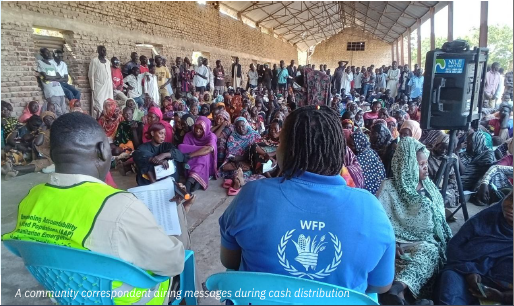
Credit: cen- southsudan.org
Humanitarian organizations operating in Malakal resolved 588 community feedback cases in June, using residents’ concerns to improve aid delivery, information sharing, and essential services across displacement sites.
The June 2026 Humanitarian Feedback Bulletin shows that the Accountability to Affected Populations (AAP) project, led by Concern Worldwide with support from the World Food Programme (WFP), continues to strengthen communication between humanitarian agencies and communities through an inclusive feedback system.
Of the 588 reports received, 352 came from women and 236 from men, with all cases successfully addressed. The majority of concerns related to humanitarian assistance, food security and livelihoods, water, sanitation and hygiene (WASH), nutrition, health, shelter, camp management, and protection.
Residents raised concerns over reduced cash assistance, requests for agricultural seeds, poor waste management, limited water supply, damaged shelters, mosquito net shortages, and the registration of newly arrived families for humanitarian support. Aid agencies responded by explaining ongoing programmes and, in some cases, implementing practical solutions to address the issues.
The bulletin also highlights significant progress in community engagement. During June, humanitarian partners broadcast 34 public service announcements 886 times through loudspeakers and Nile FM, reaching an estimated 432,989 people with information on food assistance, health, protection, WASH, and other critical services. Thirteen community listening sessions and three focus group discussions, including meetings with persons with disabilities, further strengthened dialogue between aid providers and affected communities.
Community feedback led to several tangible improvements. Public service announcements were translated into the Shilluk language to ensure more people could access important information during cash distributions. Five beneficiaries recovered misplaced registration cards after public announcements, a child-friendly space was established at the Malakal Transit Centre following concerns from returnee families, and overgrown grass posing safety risks was cleared after residents reported the problem.
The bulletin demonstrates how community participation is helping humanitarian partners identify urgent needs, improve service delivery, and strengthen accountability to the people they serve in Malakal.