
Uganda is facing a shortage of lenacapavir, a twice-yearly injection that helps prevent HIV infection, as demand grows faster than supplies, highlight...
Uganda is facing a shortage of lenacapavir, a twice-yearly injection that helps prevent HIV infection, as demand grows faster than supplies, highlighting the challenge of making new medical advances widely accessible.The drug, which offers an alternative to daily HIV prevention pills, has generated strong interest since Uganda began rolling it out in 2026. But limited availability has left some health facilities struggling to meet demand, with some people being offered alternative prevention methods.An Associated Press report published on Oct. 24 said only a limited number of doses had reached the country relative to demand, with shortages reported among people seeking the injection in western Uganda.Uganda received an initial shipment of 19,200 doses on Feb. 24 through support from the Global Fund to Fight AIDS, Tuberculosis and Malaria. The national rollout began in April, with the medicine initially made available at designated health facilities for people considered at substantial risk of contracting HIV.The program prioritizes groups including adolescent girls and young women, pregnant and breastfeeding women, sex workers, fishermen and long-distance truck drivers. Interest has since extended to other people seeking longer-lasting protection against the virus.In August, Uganda's Daily Monitor reported that more than 100 health facilities were experiencing dwindling supplies. Authorities were expecting an additional shipment of about 7,600 doses, although the timing and availability of further supplies remained important factors in expanding access.Lenacapavir, developed by Gilead Sciences, is a long-acting antiretroviral medicine used as pre-exposure prophylaxis, commonly known as PrEP. It helps prevent HIV infection in people who are HIV-negative and is administered every six months, reducing the need to take preventive medication daily.Clinical trials have shown very high protection against HIV infection when the drug is used as prescribed. However, it does not cure HIV or protect against other sexually transmitted infections.The supply shortage has raised concerns about whether the country can sustain the rollout and reach people who could benefit from the medicine. Health advocates have also highlighted the importance of ensuring that people who begin treatment can receive subsequent injections on schedule.People unable to access lenacapavir may be offered other prevention options, including daily oral PrEP or cabotegravir, another long-acting injectable medicine administered more frequently. The appropriate option depends on individual circumstances and availability.Uganda has about 1.5 million people living with HIV, according to figures cited by health authorities, making expanded access to prevention services an important part of its response to the epidemic.The Global Fund announced plans in September to support a broader expansion of lenacapavir as supplies of lower-cost generic versions approach the market. Wider availability is expected to depend on production capacity, procurement arrangements and distribution to countries with high HIV burdens.The developments in Uganda illustrate a broader challenge in global health: translating medical breakthroughs into accessible public health services. While lenacapavir offers a promising additional tool for HIV prevention, its impact will depend on reliable supplies, sustainable financing and continued access to testing and prevention services.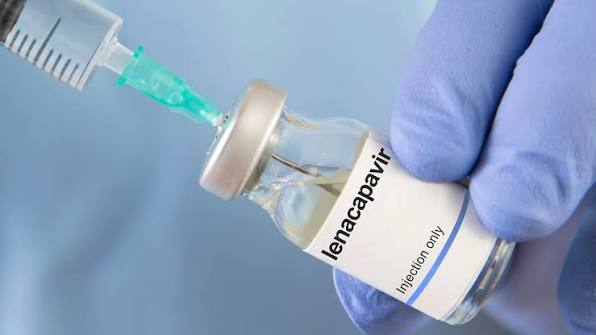
1 like