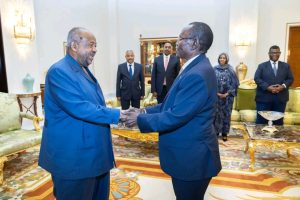
15th Anniversary of the Establishment of Diplomatic Relations between Russia and South Sudan:Political Partnership based on Trust and Mutual Respect
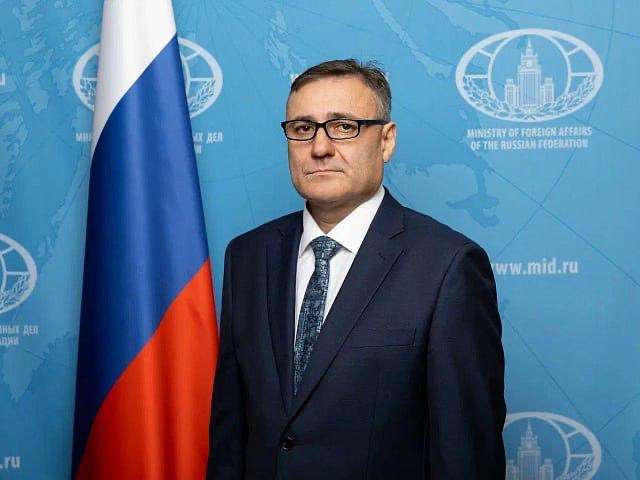
H.E. Aleksandr Kosmodemiyanskiy, Ambassador Extraordinary and Plenipotentiary of the Russian Federation to the Republic of South Sudan
Author: Ambassador of the Russian Federation to the Republic of South Sudan A.Kosmodemiyanskiy
22 August 2026 marks the 15th anniversary of the establishment of diplomatic relations between the Russian Federation and the Republic of South Sudan.
Over the past years, the two countries have developed a constructive political dialogue based on the principles of mutual respect, the sovereign equality of states, and the pursuit of mutually beneficial cooperation.
Russia was among the first countries to recognize the independence of South Sudan. This decision was made by the President of the Russian Federation on 11 July 2011. Diplomatic relations were established on 22nd August of the same year with the signing of a Joint Statement.
The ceremony of the raising of the national flag of the Republic was attended by Mikhail Margelov, Special Representative of the President of the Russian Federation for Cooperation with African Countries, as well as other senior Russian officials. He subsequently made a significant contribution to the development of Russian–South Sudanese political dialogue, holding talks with H.E. President Salva Kiir Mayardit in October 2012 and January 2013.
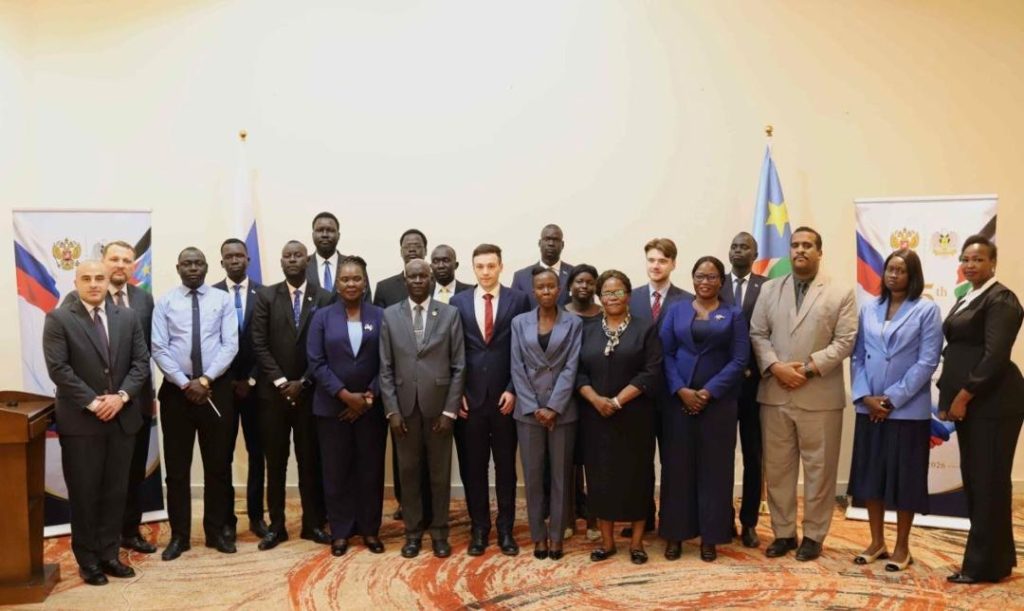
Lecture of the history of development of the Russian-South Sudanese diplomatic relations, done by the diplomats of Russian Embassy.
Until December 2025, diplomatic relations between Russia and South Sudan were maintained through the Russian diplomatic mission in Uganda. For many years, Russian diplomats consistently maintained contacts with the South Sudanese leadership, developed relations with government authorities and representatives of the business and public sectors, held visits and negotiations, and contributed to the development of humanitarian and economic cooperation.
In 2023, on the margins of the Second Russia–Africa Summit, the Presidents of Russia and South Sudan decided to establish a Russian diplomatic mission in the world’s youngest state. Following these agreements, on 11th September 2025, the President of Russia signed a decree appointing Aleksandr Kosmodemiyanskiy as Ambassador Extraordinary and Plenipotentiary of the Russian Federation to the Republic of South Sudan. Further in December 2025, the Embassy of Russia began its operations at full capacity, bringing our bilateral relations to a new orbit.
On 23rd January 2026, Aleksandr Kosmodemiyanskiy presented his credentials to His Excellency Salva Kiir Mayardit.
At the political level, the South Sudanese leadership demonstrates an unwavering interest in expanding political contacts with Russia and developing practical cooperation across a broad range of issues.
A clear indication of this is the regular participation of His Excellency President Salva Kiir Mayardit in the Russia–Africa Summits in 2019 and 2023, and strategic areas for Russian–South Sudanese long-term cooperation were identified in the political, economic, humanitarian, educational and other spheres.
This consistent approach will continue with the participation of the South Sudanese Head of State in the Third Summit, which will be held in Moscow on 28–29 October 2026, where a broad range of issues is expected to be discussed with the Russian side. We are confident that this event will serve as a key platform for discussing new joint initiatives, expanding political dialogue, and further strengthening the Russian–South Sudanese partnership.
We note that the level of interaction between our two States is steadily growing. Diplomats of the Mission consistently hold meetings with representatives of South Sudanese Ministries and Government Agencies, while contacts in the sphere of international cooperation are being strengthened. Active work is underway to develop the legal and regulatory framework for cooperation across a broad range of issues. An important milestone in this process should be the establishment of an Intergovernmental Commission on Economic, Trade and Scientific and Technical Cooperation. These steps will help giving our interaction a more systematic character and ensure the implementation of joint projects.
The close ties with South Sudan were shown during the visit of a Russian delegation headed by Roman Marshavin, Deputy Minister of Energy of the Russian Federation to Juba, in May this year. The visit resulted in areas which were defined for cooperation in key sectors, including energy, geological exploration and mining.
Russia also intends to develop its partnership in the agricultural sector, which involves approximately 80% of the South Sudanese population. Advanced Russian technologies and the South Sudanese fertile soil will make it possible to develop strategically important agricultural infrastructure and increase the production of wheat and rice, as well as flour and processed tea, which in the longer future could help address the acute problem of hunger.
We also plan to deepen cooperation in the oil sector, which is currently the main source of South Sudan’s export revenues. The signing of relevant agreements will enable the supply of Russian equipment to the South Sudanese side for the modernization of extraction infrastructure and increasing oil production.
We note that Russian companies are showing genuine interest in operating in South Sudan and ready to invest in its economy as well as participate in mutually beneficial projects. A number of Russian businesses are already operating in the country, and as the legal and regulatory framework expands and new opportunities emerge, interest in the South Sudanese market among the Russian business community will only continue to grow. We are confident that the development of business contacts will make it possible to realize the considerable potential of economic cooperation and open up new areas of mutually beneficial partnership.
Another priority area is the coordination of efforts in humanitarian response. Given South Sudan’s acute needs in terms of food security, development of medical infrastructure and educational programs, we remain in constant contact with the Ministry of Humanitarian Affairs and Disaster Management of the Republic of South Sudan. The Russian side consistently advocates the depoliticization of food and medical assistance and the lifting of unilateral restrictions that hinder socio-economic development.
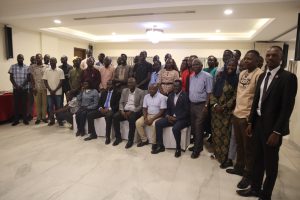
The development of educational ties is also becoming increasingly important in Russian–South Sudanese cooperation. A vivid example of the work carried out is the Association of South Sudanese Graduates of Russian Universities, established in April this year. Its activities will focus on assisting and supporting South Sudanese citizens studying at Russian universities, as well as attracting Russian companies to operate in the country.
Systematic efforts are being made to promote the Russian language and culture in South Sudan. Particular attention is being paid to their popularization among South Sudanese youth. The projects includes the establishment of specialized classrooms and educational centers where schoolchildren and students will be able to study the Russian language and learn about Russian history, culture and scientific achievements.
An important area of cultural and humanitarian cooperation will be the potential performances of Russian musical and dance groups in South Sudan. Their participation in cultural events will allow the people of South Sudan to become better acquainted with the diversity of Russian culture and the traditions of the peoples of Russia, while also contributing to greater mutual understanding between our peoples.
A vivid example of the strengthening of humanitarian and people-to-people ties was the celebration, on 10th June 2026, of the first-ever Russia Day in the history of the Republic of South Sudan. The event was attended by heads of Diplomatic Missions of BRICS plus countries and other friendly states, including Türkiye, Sudan, Eritrea, Uganda, Kenya, Somalia, Zimbabwe and Nigeria, as well as representatives of local business and public communities and the leadership of international organizations, including the United Nations Mission in South Sudan (UNMISS), the International Committee of the Red Cross (ICRC), the World Food Program (WFP) and others. The guest of honor was Vice President of the Republic of South Sudan Taban Deng Gai. Congratulating Russian citizens on the Anniversary, he highly commended the atmosphere of trust that has developed between our countries and the growing momentum of Russian–South Sudanese interaction. The Vice President confirmed the mutual interest in the further progressive development of relations based on friendship and due consideration of mutual interests.
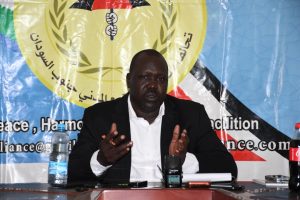
Russia also assists South Sudan in strengthening its institutions, including the development of contacts between relevant government structures. Thus, three representatives of the South Sudan National Elections Commission completed training courses on the organization and conduct of elections at the Central Election Commission of the Russian Federation. The South Sudanese specialists were also invited as international observers to the elections to the State Duma of the Russian Federation, which will take place in September 2026. This approach enables partners from the Republic of South Sudan to learn from Russia’s experience in institutional state-building and contributes to the further strengthening of the professional capacities of the country’s state institutions.
Russia consistently builds constructive relations with key international organizations accredited in the South Sudanese capital, primarily the United Nations Mission in South Sudan, the African Union, the Intergovernmental Authority on Development (IGAD), as well as the representations of UN specialized agencies (WFP, UNICEF). This interaction is based on a commitment to the principles of the UN Charter, respect for the sovereignty and territorial integrity of South Sudan, and the desire to contribute to the peaceful resolution of internal conflicts and the country’s post-conflict reconstruction.
The Russian Federation unexceptionally and systematically supports South Sudan on the international stage, advocating the creation of conditions necessary for its peaceful and sustainable development. We believe that the international community should provide the practical assistance in strengthening South Sudanese state institutions and promoting socio-economic development, rather than using instruments of pressure that could further complicate the country’s situation. This was precisely the message conveyed at the UN Security Council meeting
on the 6th August 2026 by Anna Evstigneeva, Deputy Permanent Representative of the Russian Federation to the United Nations, who emphasized the detrimental impact of maintaining the arms embargo on South Sudan, which hinders the formation and equipping of the army. This approach reflects the consistent position of the Russian side on the need to respect South Sudan’s sovereignty and take its national interests into account. We consistently support the work of UNMISS in the Republic.
The 15th anniversary of diplomatic relations is not only an occasion to take stock of the work accomplished, but also an opportunity to identify new prospects for cooperation. Russia intends to continue strengthening political dialogue with South Sudan, expanding the partnership on the international stage, and jointly implementing initiatives that serve our common interests.