WHO Extends Global Polio Emergency as Funding, Conflict Threaten Eradication Efforts
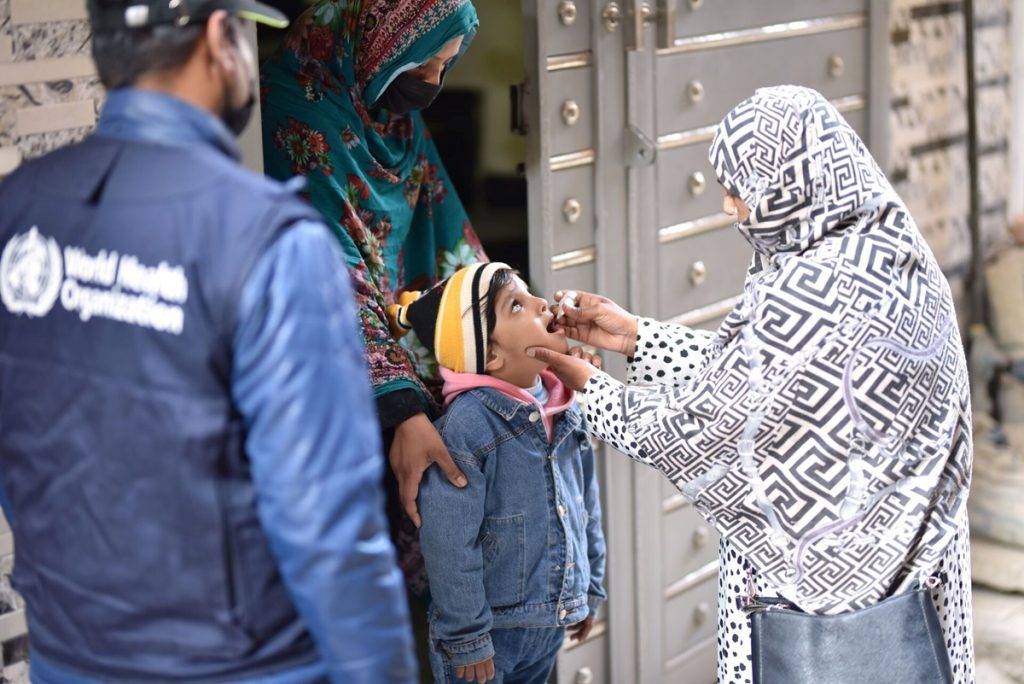
Credit: WHO
The World Health Organization has extended the global poliovirus emergency for another three months, warning that funding shortages, conflict and population movements continue to threaten efforts to eradicate the disease.
The WHO Polio International Health Regulations Emergency Committee, which met May 14, 2026, unanimously determined that the international spread of poliovirus remains a Public Health Emergency of International Concern, or PHEIC.
The committee said the situation does not currently meet the threshold for a pandemic emergency but warned that persistent operational and financial challenges could undermine progress toward global eradication.
Wild poliovirus type 1, or WPV1, remains endemic in Afghanistan and Pakistan, which are the only countries reporting ongoing transmission of the wild virus.
As of 2026, Afghanistan had reported 14 WPV1 cases and Pakistan two, with transmission concentrated in areas that face significant security and access challenges.
In Pakistan’s South Khyber Pakhtunkhwa region, an estimated 250,000 children remain unreached by vaccination campaigns because of insecurity.
Afghanistan has not conducted house-to-house polio vaccination campaigns since October 2024 because of security concerns, instead relying on site-to-site vaccination approaches.
Population movements, including the return of undocumented migrants, also continue to increase the risk of cross-border transmission between Afghanistan and Pakistan.
The detection of WPV1 in wastewater in Germany in late 2025 underscored the continued risk of international spread.
Circulating vaccine-derived polioviruses remain a major concern, with outbreaks reported in 12 countries.
As of April 30, 2026, 32 cases of circulating vaccine-derived poliovirus had been recorded globally.
Nigeria accounted for half of the global cVDPV type 2 caseload in 2026 and remains the only country reporting simultaneous circulation of both type 2 and type 3 vaccine-derived polioviruses, according to the WHO.
In Yemen, conflict and humanitarian access constraints have left more than 4.5 million children under age 5 without protection from an ongoing polio outbreak, limiting efforts to conduct an oral polio vaccination response.
The WHO said the newer novel oral polio vaccine type 2, or nOPV2, continues to demonstrate greater genetic stability and a lower risk of reverting to forms capable of causing outbreaks compared with older vaccine formulations.
The global polio eradication program is facing a funding shortfall of nearly 30%, raising concerns about the ability of countries and international partners to maintain critical vaccination and surveillance activities.
The WHO committee warned that financial pressures affecting both national governments and international institutions could weaken surveillance systems needed to detect poliovirus quickly.
A decline in surveillance could allow the virus to spread undetected, making future outbreaks more difficult and costly to contain.
The WHO has also reinforced temporary recommendations aimed at preventing international spread of poliovirus.
Residents and long-term visitors who have spent more than four weeks in countries affected by WPV1, cVDPV1 or cVDPV3 are advised to receive a polio vaccine dose between four weeks and 12 months before international travel.
Affected countries are also expected to ensure that travelers have documented proof of vaccination and may restrict international departure for people who do not meet the requirements.
The WHO said continued international cooperation, sustained financing, strong surveillance and high vaccination coverage will be essential to prevent further spread and keep the global eradication effort on track.