UNMISS Chief Warns South Sudan Faces Significant Risks Ahead of December Elections
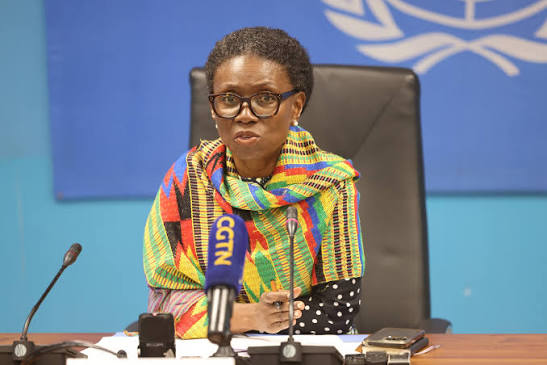
The head of the United Nations Mission in South Sudan (UNMISS), Anita Kiki Gbeho, has warned that South Sudan faces mounting political, security and humanitarian challenges that could undermine preparations for the country’s planned December 2026 elections.
Addressing the United Nations Security Council on Thursday, Gbeho said concerns are growing over whether the minimum conditions required for credible, peaceful and inclusive elections can be achieved on time.
She noted that political trust among key stakeholders remains fragile, while delays in implementing the Revitalized Peace Agreement and the absence of key opposition figures from critical political processes have raised concerns about inclusivity and confidence in the transition.
Gbeho also highlighted the continued detention of opposition leader Riek Machar, saying his trial has now exceeded 100 court sessions and has continued for nearly a year.
On the security front, she expressed concern over ongoing clashes involving the South Sudan People’s Defence Forces (SSPDF) and the SPLA-IO, particularly in Jonglei State, as well as recurring communal violence in Warrap and Lakes states that continues to claim civilian lives and force thousands from their homes.
The humanitarian situation also remains critical. According to UNMISS, violence displaced more than 420,000 people between January and June this year, mainly in Jonglei. South Sudan is also hosting approximately 1.4 million people who have fled the conflict in Sudan, placing additional pressure on humanitarian services and national resources.
Gbeho warned that cholera outbreaks continue to strain the country’s fragile health system, while the Ebola outbreak in the neighbouring Democratic Republic of the Congo requires continued preparedness. She added that humanitarian workers are facing increasing risks, with 36 aid workers killed and 391 humanitarian access incidents recorded so far this year.
Despite these challenges, Gbeho acknowledged positive developments, including the government’s commitment not to return to armed conflict and South Sudan’s continued policy of keeping its borders open to refugees fleeing the war in Sudan.
She urged all parties to fully implement the 2017 Cessation of Hostilities Agreement and translate political commitments into tangible reductions in violence.
The UNMISS chief said the mission continues to prioritize civilian protection, humanitarian access, support for the peace process and the promotion of human rights. She added that UNMISS is reviewing its operations to improve responsiveness amid growing security and resource challenges.
Gbeho concluded by calling on South Sudanese leaders to end violence, protect civilians and humanitarian workers, resume inclusive political dialogue and undertake a realistic assessment of the conditions required for credible elections.
She welcomed the planned African Union electoral needs assessment mission, describing it as an important opportunity to identify and address outstanding political, security and institutional gaps before the polls.
“The people of South Sudan have endured extraordinary hardship,” Gbeho told the Security Council. “They deserve a transition that is inclusive, credible and capable of delivering the peaceful and stable South Sudan for which they have waited so long.”