Two-Thirds of Malakal IDPs Plan to Return Home Despite Persistent Security Challenges: IOM
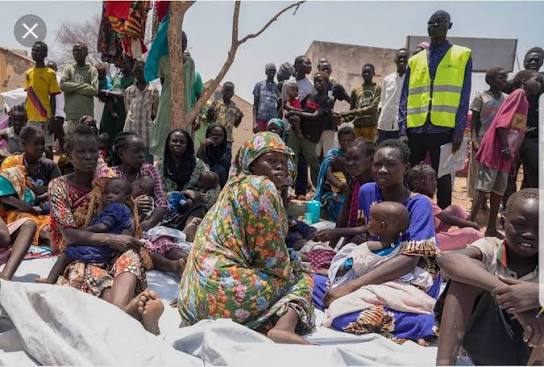
Two-Thirds of Malakal IDPs Intend to Return Home Despite Ongoing Security Concerns: IOM SurveyJUBA, South Sudan – Two-thirds of internally displaced households living at the former Malakal Protection of Civilians (PoC) site in Upper Nile State intend to return to their areas of origin, despite continued insecurity and humanitarian challenges, according to a new survey by the International Organization for Migration (IOM).
The Malakal Former Protection of Civilians Site Intentions Survey, conducted from 6 to 12 June 2026, found that 66 percent of surveyed households plan to return home, down from 88 percent in September 2025. Meanwhile, 24 percent of respondents prefer relocation, while 4 percent favour local integration and another 4 percent intend to remain at the site.
The former PoC site, established in 2013 to protect civilians displaced by conflict, officially transitioned from UN management to national authorities in February 2026. The site continues to host more than 45,000 internally displaced persons (IDPs), many of whom have spent nearly a decade in displacement.
The survey found that humanitarian needs remain acute, with 91 percent of households identifying food as one of their top three priorities. Water, sanitation and hygiene (WASH) services ranked second at 71 percent, followed by shelter at 49 percent.
Most respondents remain in protracted displacement. About 73 percent of households have lived at the site for more than six years, while 79 percent are headed by women. More than one-quarter of households include members living with disabilities or long-term medical conditions, underscoring ongoing protection and assistance needs.
Security remains the most significant factor influencing decisions to return. Among households planning to move, 38 percent said their intended destination is still unsafe, although this represents an improvement from 48 percent in the previous survey. Improved security, access to basic services, food assistance and livelihood opportunities were identified as the main conditions required for sustainable return.
The majority of households intending to return identified destinations within Malakal County, particularly Malakal North, East and South payams. Most respondents choosing relocation also indicated they would remain within the county.
The assessment also highlighted persistent protection concerns. More than half of respondents identified early and forced marriage and harassment as major risks facing women and girls, while child labour emerged as the leading concern affecting children. Households with members living with disabilities cited limited access to services, information and assistance as key challenges.
While humanitarian assistance continues to support many residents, 62 percent of respondents said they were unaware of any mechanism for submitting complaints or providing feedback to aid providers, pointing to accountability gaps in humanitarian response.
IOM said the survey findings are intended to inform durable solutions programming by ensuring that return, relocation and local integration initiatives are guided by the needs, priorities and preferences of displaced communities in Malakal.