Sudan: El Obeid families dying in drone strikes as hunger spreads, ground assault feared
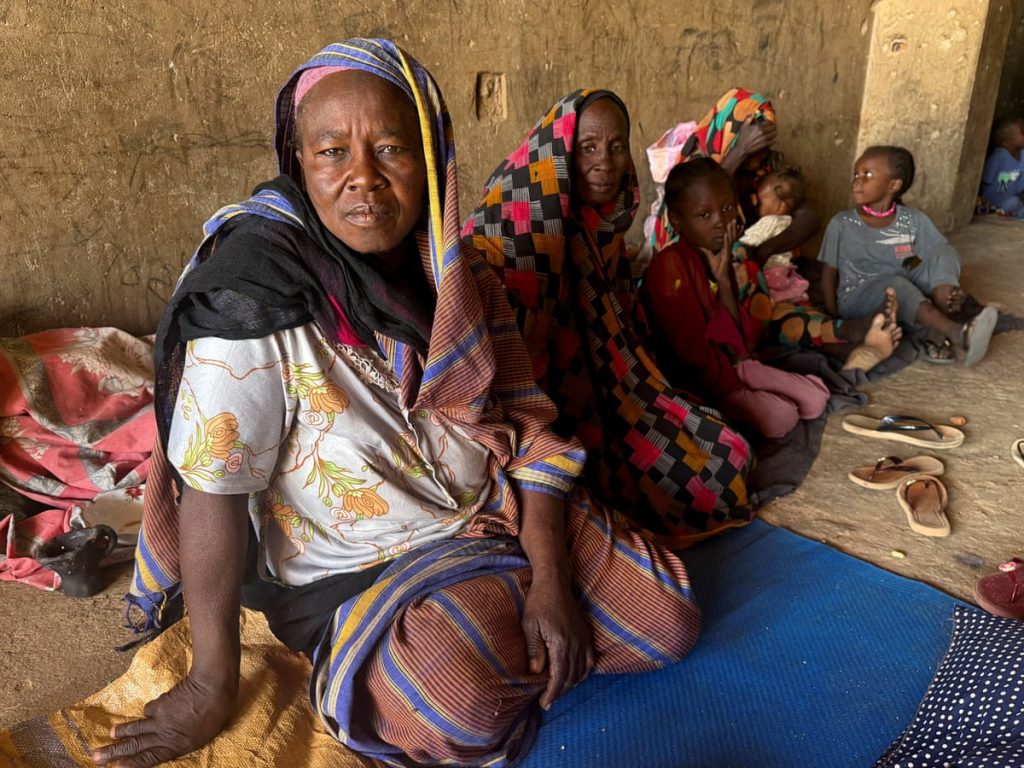
Credit: The Guardian
Families in El Obeid, North Kordofan, are dying in drone strikes and facing extreme hunger despite repeated warnings, and the world has yet to act.
The city, increasingly encircled, is facing drone attacks and growing fears of a wider assault by the Rapid Support Forces (RSF). The Norwegian Refugee Council (NRC) and partners had warned two weeks ago that atrocities could follow such a move. But reports from the ground show that for many families still inside, the nightmare is already unfolding.
“In El Obeid, families are starving while dodging indiscriminate attacks just to stay alive,” said NRC Secretary General Jan Egeland. “The world has been warned about this crisis and let it happen anyway.”
At least 45 civilians were killed in the city in just three weeks in June, according to the UN, as drone attacks repeatedly hit markets, schools, fuel stations, water infrastructure and vehicles. Just last week, an aid convoy, on the way to the city, was hit by a strike. In some areas, no aid has reached families for months, according to local partners.
NRC calls for immediate protection of civilians, aid workers and local responders in and around El Obeid, including concrete steps to stop strikes on hospitals, schools, markets and water, electricity and fuel infrastructure. Emergency funding is urgently needed as well as unfettered humanitarian access to El Obeid and the Kordofans.
The crisis is pressing into the most basic parts of daily life. With water facilities out of service, families have to queue for long hours to get water that is often unsafe for drinking. Once they manage to bring water home, they must choose whether to use it to drink, cook or wash. As the rainy season begins, the threat of cholera and other water-borne diseases is looming.
Many families are forced to mix flour with water just to fill their children’s stomachs because nothing else is left or they cannot afford the spiralling food prices.
Schools are kept open the violence to offer children a sense of normalcy. But, each week, multiple strikes have forced NRC and partners to suspend classes on some days. In some classrooms, children’s play has turned into re-enactments of shelling, and many can now name weapons by the sound they make alone.
“Children go to school with no water, no electricity and no food, in buildings that cannot protect them from the strikes overhead,” said Egeland. “At times, local responders deliver aid at night, because daylight has become more dangerous than darkness.”
With fuel stations struck or shut and vehicles targeted on the roads, transport costs have soared. NRC staff report that one litre of fuel now costs more than a teacher’s monthly salary. Some families are selling their belongings to afford a way out, but most simply cannot.
For many of the city’s displaced people who already escaped horrors in Al Fasher and other devastated areas, there is nowhere else to go. More families are also arriving, fleeing the violence around the city. They now risk living the very horrors they tried to escape.
“The atrocities committed throughout this war leave no doubt about what is at stake. The international community must now exert maximum pressure on the warring parties and those with influence over them. History will judge not only those who committed these crimes, but also those who had the power to help prevent them and failed to act,” said Egeland.