South Sudan must fortify legal framework to close huge national ID gap: ID4D
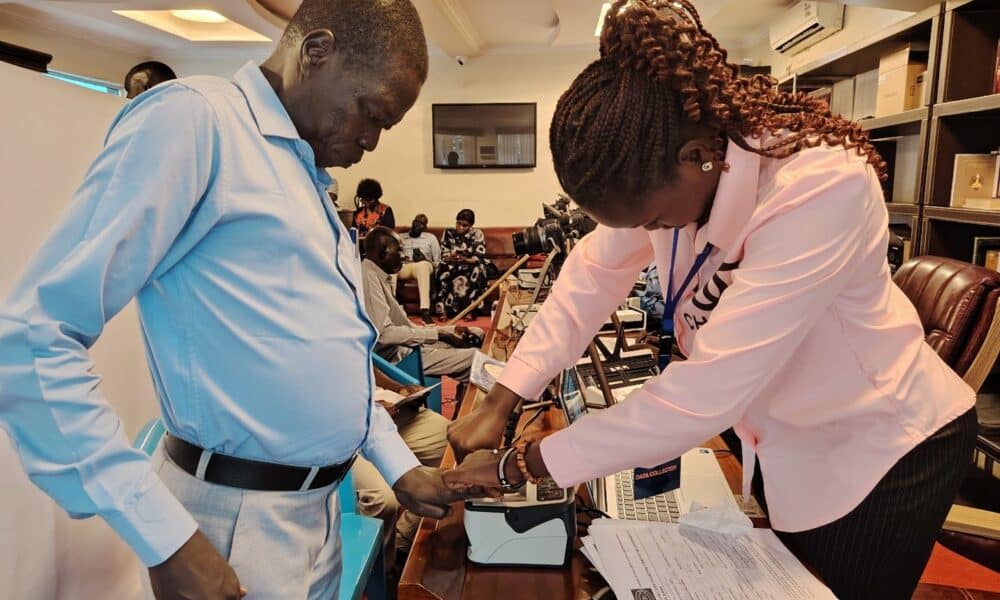
South Sudan has been urged to take some urgent steps including adjustments to its national identity legal framework in order to enhance its drive towards inclusion and close the yawning ID gap in the country.
This is one among the recommendations contained in a recent World Bank blog article which is based on the South Sudan Country Diagnostic 2026 conducted by the Bank’s Identity for Development (ID4D) program.
Beset by lingering political conflict, the world’s newest nation, which gained independence in 2011 from Sudan through a referendum, still has a huge legal identity gap with about 90 percent of citizens lacking a government-issued identity document. This means that more than 10 million people do not have any form of legal identification in a country with an estimated population of 12.2 million. Among those negatively affected are women, internally displaced persons, refugees and returnees, those in rural communities as well as those living in poverty. Obtaining a national ID card in South Sudan has been a major headache.
The scenario does not only make it difficult for a majority of people to have access to a litany of government and private sector services, many others are left vulnerable to exploitation and unable to “prove they exist” and participate fully in the social, economic, and political life of the country.
Per the report, the huge identity gap is also partly due to an extremely low rate of birth registration which is put around 10 percent across the country. The birth certificate is a feeder document for national identity issuance.
The ID4D diagnostic notes that low identity coverage in the country causes governance challenges, disrupts humanitarian assistance programs, slows economic inclusion and retards national digital transformation.
Apart from the need to retouch the legal framework, the ID4D report suggests other action points which include strengthening the capacity of the ID authority and make its presence better felt beyond the capital, operationalizing the civil registration system and the personal identification number (PIN) regime, expanding multi-sector collaboration with agencies across government and the private sector, and preparing a coordinated nationwide identity registration campaign.
According to the report, the urgency of solving South Sudan’s identity crisis falls within broader global efforts through the ID4D initiative to combat statelessness and strengthen governance through trusted, inclusive and interoperable ID systems.