South Sudan Food Prices Remain Stable Nationally Despite Sharp Regional Market Swings
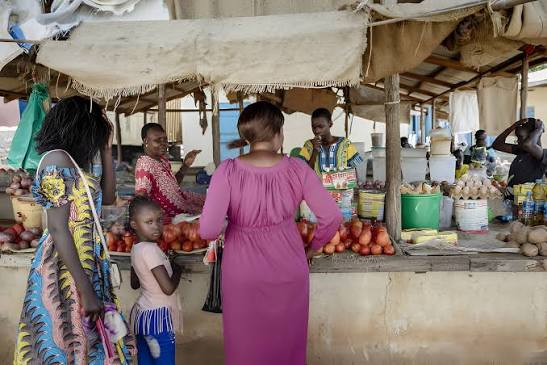
Food prices across South Sudan remained broadly stable during the week of 6–12 July 2026, but significant price fluctuations in several local markets underscored persistent economic pressures on households, according to the latest World Food Programme (WFP) South Sudan Weekly Market Monitor.
The report shows that the national minimum food basket cost increased marginally by 1 percent to an average of SSP 123,909 per person per month, reflecting relative stability at the national level despite sharp variations across states and commodities.
Central Equatoria remained the country’s most expensive state, with the minimum food basket costing SSP 166,671, unchanged from the previous week. Unity State followed at SSP 159,928, while Upper Nile recorded a 5 percent weekly increase to SSP 132,475. Lakes and Eastern Equatoria also registered modest increases, while prices in Western Equatoria, Jonglei, and Northern Bahr el Ghazal remained largely unchanged.
The report highlights significant volatility in individual commodity prices across local markets. Sorghum, the country’s staple grain, increased by 22 percent in Bunj, while wheat flour rose by 11 percent in Kuajok but fell by 22 percent in Torit. Bean prices climbed by 25 percent in Kapoeta South and Torit, although they declined by 7 percent in Kuajok.
Non-food commodities also experienced notable price changes. Prices for sukuma wiki and fuel surged by 25 percent and 20 percent, respectively, in Aweil Town, reflecting localized supply and transport challenges.
According to WFP, broader macroeconomic conditions continue to weigh on household purchasing power. Fuel prices remain more than 60 percent higher than levels recorded before the Middle East crisis, while the South Sudanese pound continued to weaken slightly against the U.S. dollar.
The parallel market exchange rate maintained a gap of approximately 39 percent above the official exchange rate, increasing the cost of imported goods and adding pressure to food markets.
WFP noted that while national price movements appear relatively stable, localized market disruptions and inflation continue to pose challenges for vulnerable households, particularly in conflict-affected and remote areas where access to food remains constrained.
The weekly market monitor tracks prices of key food commodities, fuel, livestock and foreign exchange to assess market conditions and food affordability across South Sudan.