Hunger crisis deepens in South Sudan’s Lafon County as dry spell forces families to leave
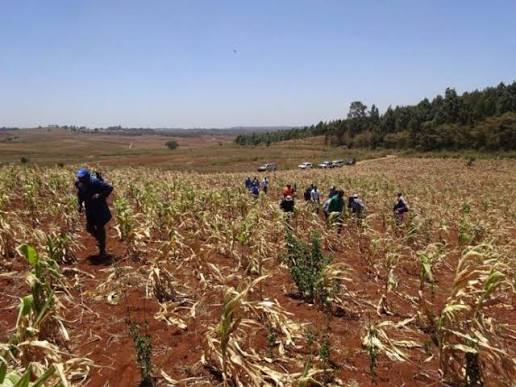
A prolonged dry spell has deepened a hunger crisis in Lafon County in South Sudan’s Eastern Equatoria state, forcing thousands of people to leave their homes in search of food and putting women and children at increased risk of violence and exploitation, according to a humanitarian assessment.
The assessment, conducted July 22-24 by humanitarian organizations in collaboration with state and county authorities, found severe food shortages in Pacidi and Burgilo payams. It followed reports from local authorities that people had died from hunger.
Residents told the assessment team that rains began in early April but stopped after about two weeks, damaging crops. Rain resumed around July 10, but the prolonged dry spell had already affected sorghum and pigeon pea crops, leaving many families without adequate food.
Families are increasingly relying on wild fruits, vegetables, fish and bush meat for food. Others are exchanging household belongings, including clothing, cooking utensils, water containers and mosquito nets, for grain from neighboring communities.
The assessment said livestock prices have also fallen. A cow that sold for about 1 million South Sudanese pounds in April was fetching about 600,000 pounds at the time of the assessment.
Food shortages have prompted people to move to Torit, Magwi and Juba in search of food and work. The assessment reported that more than 200 households, or about 10,000 people, had left Lafon for Uganda and parts of Magwi County.
Some children between the ages of 12 and 15 have also traveled to Juba to find casual work and send money home, the assessment said.
Women traveling long distances to collect wild food or obtain grain face increased protection risks. The assessment identified reports of sexual harassment, gender-based violence, exploitation, robbery, livestock theft and child abduction, particularly along the Lafon-Juba route through Mugiri.
The crisis is also affecting health and education.
The assessment found increased malnutrition and declining dietary diversity among households. Reported diarrhea cases rose from 34 in June to 57 by mid-July, although no disease outbreak had been reported during the assessment.
Several boreholes, which provide the main sources of safe water in many villages, are not functioning and require repairs. Humanitarian workers warned that heavier rains could increase the risk of waterborne and hygiene-related diseases because of poor sanitation and widespread open defecation.
Schools have also been disrupted as children leave classrooms to help their families find food and income. The assessment said schools in Lafon were unable to operate normally because of the hunger situation.
The humanitarian assessment called for immediate food assistance, nutritional and medical supplies, school feeding programs, essential household items and expanded protection services.
It also recommended livelihood recovery programs, rehabilitation of broken water pumps and stronger coordination among food security, health, nutrition, water and sanitation, education and protection agencies.
The assessment said the affected population urgently needs humanitarian assistance and noted that existing local organizations and health partners have limited funding and supplies to respond to the crisis.