El Niño-driven dry spell threatens livelihoods across northern East Africa
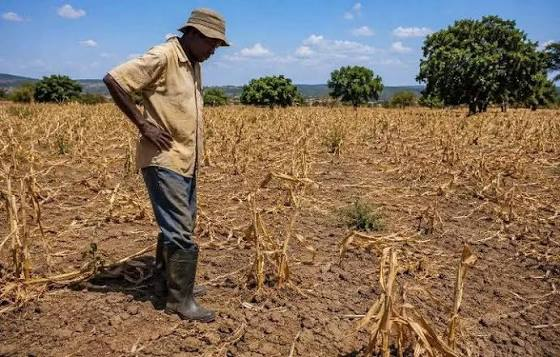
Prolonged rainfall deficits across northern East Africa are worsening drought conditions and threatening agricultural and pastoral livelihoods, according to a climate advisory issued by the IGAD Climate Prediction and Applications Centre.
The advisory says below-normal rainfall from May through August has affected Djibouti, Eritrea, Ethiopia, Somalia, South Sudan and Sudan, with dry conditions also extending into parts of Uganda and western Kenya.
The Standardized Precipitation Index indicates widespread rainfall deficits, while satellite and environmental monitoring data show significant soil moisture shortages and vegetation stress across the region.
Conditions are particularly severe in Sudan, northern Ethiopia and parts of Eritrea, where agricultural areas and grazing lands are experiencing water shortages and declining biomass. The combination is increasing the risk of crop losses, reduced pasture availability and dwindling water supplies for communities and livestock.
ICPAC attributed the deteriorating conditions in part to strengthening El Niño conditions in the equatorial Pacific Ocean and a shift in the Indian Ocean Dipole toward a positive phase.
Forecasts indicate a more than 90% probability that El Niño conditions will continue through the March-May 2027 season. ICPAC said the climate pattern is historically associated with reduced rainfall in parts of northern East Africa.
The outlook for September also points to a continued likelihood of below-normal rainfall across much of the affected area, suggesting limited relief for communities already facing water and pasture shortages.
The prolonged dry conditions could further affect food production, livestock, water supplies and household incomes. Pastoral communities face increased risks as grazing areas and water points deteriorate, while poor harvests could worsen food insecurity in vulnerable areas.
The advisory also warned of potential knock-on effects on public health and livelihoods, including increased malnutrition risks and economic displacement as communities lose access to water, pasture and agricultural resources.
ICPAC urged national meteorological and hydrological services to use the advisory to strengthen preparedness, mitigation and support for communities exposed to the worsening conditions.
The regional climate center said it will continue monitoring the situation, with its next comprehensive climate update expected by Oct. 16, 2026.