Ebola Spread in Northeastern DRC Raises Cross-Border Transmission Risks
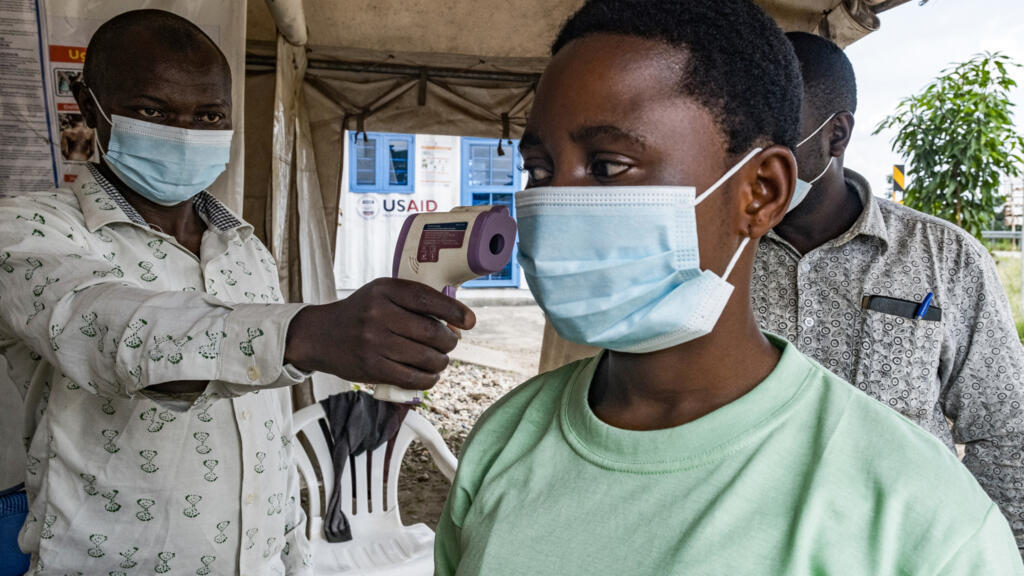
Credit: RFI
An Ebola outbreak in northeastern Democratic Republic of Congo is expanding into new health zones, raising concerns about possible cross-border transmission into South Sudan and the Central African Republic, according to a regional mobility analysis by REACH.
The World Health Organization declared a Public Health Emergency of International Concern on May 17, 2026, following an outbreak of Ebola virus disease caused by Bundibugyo virus in Ituri province.
As of Aug. 18, the outbreak had recorded 4,945 confirmed cases and 2,325 confirmed deaths across 55 health zones in six provinces, with Bas-Uele recently reporting its first death. The overall case fatality rate stood at about 47%, according to the analysis.
REACH said the expansion of affected areas and movement along major transport routes are creating new risks for communities in neighboring countries. Particular concern has been raised along routes toward Bondo Health Zone, which borders the Central African Republic, and along routes toward Yei in South Sudan through Faradje and Aba health zones.
The analysis found that affected health zones have continued to expand in Tshopo and Haut-Uele provinces. Recent cases have been reported in areas including Bafwasende, Gombari, Buta and Tshopo. The case reported in Buta Health Zone in Bas-Uele was believed to have originated in Haut-Uele province.
REACH said mobility patterns suggest growing cross-border transmission risks, particularly around Bondo and the Faradje and Aba health zones bordering South Sudan.
The organization stressed that population movement alone does not determine Ebola transmission but can help identify areas where surveillance, preparedness and points-of-entry controls should be strengthened.
Major roads and market centers have emerged as important routes in the spread of the disease. REACH said areas such as Buta and Bafwasende should remain priorities for point-of-entry and point-of-control activities because of their role as major markets and transportation destinations.
The analysis also recommends expanding surveillance and border preparedness along corridors leading toward Mongala and Sud-Ubangi provinces, particularly routes accessible from Buta through National Road 6.
REACH noted that maintaining open borders remains important for the livelihoods of communities living in the affected border regions. It therefore called for strengthened preparedness and surveillance while ensuring that cross-border movement can continue safely.
The regional analysis is based on population movement, Ebola surveillance and transport-network data compiled from Flowminder, the International Organization for Migration, the Democratic Republic of Congo’s National Institute of Public Health and other humanitarian sources.