UN releases $3 million emergency funding as South Sudan refugees flee to Ethiopia
Credit: UNHCR
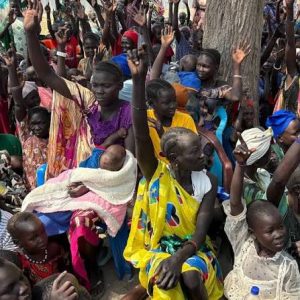
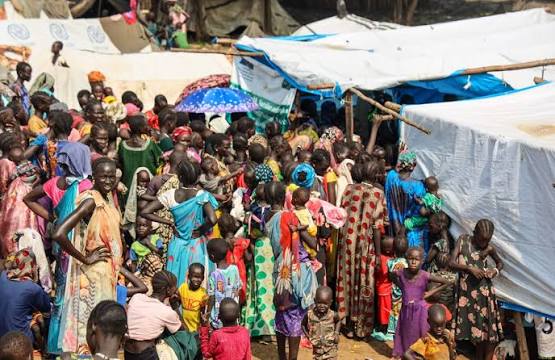
The United Nations has released $3 million in emergency funding to support Ethiopia’s response to a growing influx of refugees from South Sudan, as renewed fighting forces thousands of civilians across the border into the Gambela region.
The funding from the U.N. Central Emergency Response Fund, or CERF, follows an inter-agency assessment that identified at least 35,000 South Sudanese refugees who had crossed into Ethiopia.
Humanitarian agencies warned that the number could rise as fighting continues in South Sudan’s Ulang and Nasir counties, forcing more civilians to seek safety in Ethiopia.
The displacement began in mid-February 2025 following heavy fighting in the two counties. Many families crossed the border on foot with few belongings and arrived in communities already facing significant humanitarian needs.
An assessment led by Ethiopia’s Refugees and Returnees Service in April 2025 found severe shortages of basic services in border communities, where the sudden population increase has placed additional pressure on water, food, shelter and health services.
Under the emergency response, the U.N. Refugee Agency, UNHCR, will receive $2 million to support protection services, emergency shelter and humanitarian coordination. The World Food Programme will receive $1 million to provide emergency food assistance and strengthen supply chains.
The response is expected to reach about 63,000 people, including refugees and members of host communities. The targeted population includes an estimated 19,000 boys, 18,000 girls, 15,000 women and 11,000 men.
Humanitarian agencies plan to provide clean drinking water to about 50,000 people and emergency food assistance to another 50,000. The response also includes non-food items for 25,000 people, shelter assistance for 7,000 people and protection services for vulnerable children and women.
The refugee influx comes as Ethiopia faces several other humanitarian pressures, including conflict, disease outbreaks, climate-related shocks and funding shortages.
Humanitarian operations in the country were already facing funding constraints in early 2025, while cholera outbreaks and localized conflicts added to pressure on communities and aid organizations.
The emergency response also comes amid a broader decline in humanitarian funding. According to the figures cited in the report, Ethiopia received $3 million from CERF in 2025, compared with $43 million in 2024 and $64.6 million in 2021.
Humanitarian agencies say the reduced funding comes at a time when needs are increasing across several parts of Ethiopia.
The latest CERF allocation is intended to provide immediate assistance while humanitarian partners assess the scale of the displacement and prepare for further arrivals.
Aid agencies have urged continued international support as the conflict in South Sudan remains a major driver of displacement and threatens to increase pressure on communities along Ethiopia’s border.