Conflict, Xenophobia and Tougher Border Policies Reshape Migration Across East and Southern Africa
Credit: Foreign Policy
Conflict in Sudan, escalating xenophobic violence in South Africa and tougher migration policies across the region are reshaping migration patterns in East and Southern Africa, according to the latest Quarterly Mixed Migration Update released by the Mixed Migration Centre (MMC).
The report says the region is experiencing a complex migration crisis driven by armed conflict, economic hardship, political instability and increasingly restrictive border measures.
The war in Sudan remains the single largest driver of displacement. More than 4.6 million people have fled to neighbouring countries, marking a two percent increase from the previous quarter.
South Sudan continues to host the largest number of people fleeing the conflict, with more than 1.34 million arrivals, followed by Chad with 934,202, Libya with 562,266, Uganda with 91,149 and the Central African Republic with 44,522.
Despite the continued conflict, the report recorded a 21 percent increase in return movements, with more than 4.4 million people returning to Sudan since monitoring began. Humanitarian agencies, however, warn that many returns are driven by worsening living conditions and food shortages in host countries rather than improved security inside Sudan.
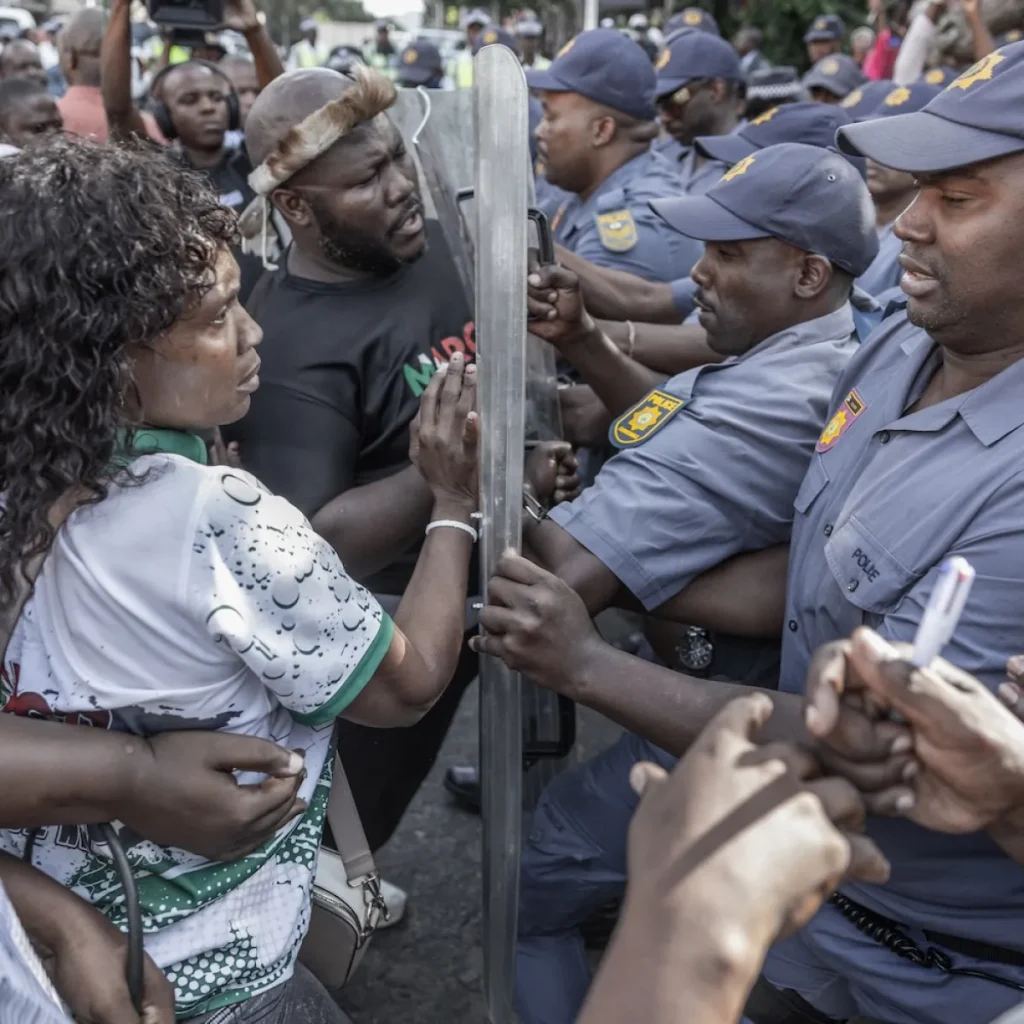
In Southern Africa, the MMC says xenophobic attacks and anti-immigrant campaigns have forced thousands of migrants to leave South Africa. More than 25,000 migrants voluntarily returned to their countries of origin during the reporting period, while thousands more sought refuge in temporary shelters, diplomatic missions and repatriation centres.
Several African governments launched emergency evacuation operations for their citizens. Malawi repatriated more than 1,300 nationals, while Ghana and Zimbabwe organised chartered transport to bring home affected citizens. Kenya and Nigeria also advised their nationals to leave areas affected by the violence.
The report notes that two Mozambican nationals were killed during anti-foreigner attacks in Mossel Bay in June, underscoring growing concerns over migrant safety in South Africa.
Across the region, governments have also introduced stricter migration measures. Authorities in eastern Libya imposed an entry ban on citizens of Sudan, Eritrea, Ethiopia and Somalia, while Egypt has begun implementing its new asylum law, transferring refugee status determination from the UN Refugee Agency (UNHCR) to a government committee. Human rights organisations have raised concerns over the implications for asylum seekers.
In contrast, Ethiopia has launched the Makatet Roadmap, a policy aimed at integrating refugees into national systems by transitioning them from temporary camps to permanent, self-reliant settlements.
The report also highlights continuing dangers along major migration routes. During April and May, 26,421 migrants arrived in Yemen, with most travelling through Djibouti. Meanwhile, migration across the Mediterranean increased to 22,592 arrivals in Europe, a 28 percent rise from the previous quarter.
The MMC documented several deadly incidents, including the drowning of 17 Somali migrants after a boat bound for Spain capsized off Algeria and the discovery of 17 Egyptian migrants aboard a vessel that washed ashore in Egypt after departing Libya.
The report further points to expanding efforts by Western countries to manage migration beyond their borders. It says the European Union is exploring the establishment of return hubs in third countries, with Uganda, Rwanda, Egypt, Ethiopia and Kenya among those reportedly under consideration. The United States has also expanded its third-country deportation programme through agreements with Uganda and the Democratic Republic of the Congo.
The MMC warned that while governments continue to tighten migration controls, the underlying drivers of displacement remain unresolved, raising concerns over the protection of migrants and refugees and increasing pressure on countries hosting large displaced populations.