Conflict, drought to deepen food insecurity in South Sudan, FEWS NET warns
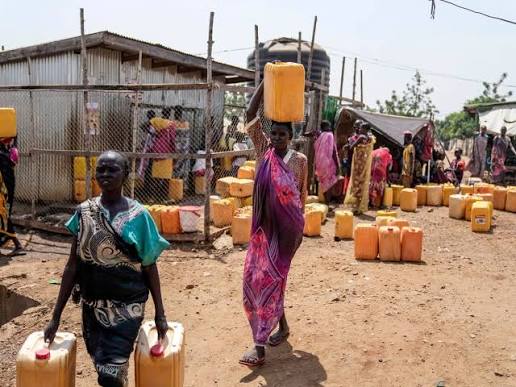
Conflict, drought and worsening economic conditions are expected to deepen food insecurity in South Sudan through January 2027, with Emergency-level hunger projected to expand to 31 counties during the October-January harvest period, according to a new report by the Famine Early Warning Systems Network.
FEWS NET said South Sudan will remain among the world’s most food-insecure countries as conflict, El Niño-driven drought, seasonal flooding, deteriorating economic conditions and declining household purchasing power continue to undermine food access.
Emergency, or IPC Phase 4, food insecurity is expected to remain widespread in 23 counties through September. Humanitarian assistance is expected to reduce the severity of food insecurity to Crisis, or IPC Phase 3, in 13 counties, although FEWS NET said improvements in conflict-affected areas remain fragile.
The report warned that some populations in hard-to-reach areas of Akobo and Nyirol in Jonglei state, as well as Nasir, Ulang and likely Akoka in Upper Nile state, could face Catastrophe, or IPC Phase 5, conditions through at least September.
FEWS NET also expressed growing concern over Lafon in Eastern Equatoria, where crop failure has been reported alongside increasing reports of hunger-related deaths.
The October-January harvest is expected to provide some relief, but FEWS NET said it will not be sufficient to offset the anticipated reduction in humanitarian food assistance after September. Emergency-level food insecurity is projected to expand to 31 counties across Jonglei, Upper Nile, parts of Unity, Warrap, Lakes and Northern Bahr el Ghazal.
In the most severely conflict-affected areas of north-central Jonglei and southern Upper Nile, harvests are expected to be minimal because of the combined effects of drought and conflict, including disruptions to planting.
Conflict and insecurity remain the main drivers of acute food insecurity, according to FEWS NET.
Persistent fighting between government and opposition forces, along with intercommunal violence and revenge attacks, has caused civilian deaths, livestock losses, displacement, disruption of livelihoods and markets, and restrictions on humanitarian operations.
As of mid-August, about 2.5 million people were internally displaced in South Sudan, including 433,000 people displaced in Upper Nile and Jonglei states between January and July. More than 55,000 people were displaced in July alone, while 65 humanitarian access incidents were reported during the month.
The continuing war in neighboring Sudan is also affecting South Sudan. An average of about 13,500 people arrived in South Sudan each month between May and July, while the presence of Sudanese refugees and South Sudanese returnees in Upper Nile, Unity and Northern Bahr el Ghazal reached nearly 1.4 million people by mid-August, placing additional pressure on limited resources.
FEWS NET said severe rainfall deficits have persisted in August, with cumulative rainfall from June to August reaching 30% to 50% below normal in parts of north-central and southeastern South Sudan.
The dry conditions have affected soil moisture, vegetation and crop growth and are expected to result in below- to severely below-average harvests in many parts of the country.
Minimal harvests are expected in parts of Eastern Equatoria, north-central Jonglei and southern Upper Nile. Crop failure has already been reported in Lafon.
The report attributed the poor rainfall largely to a very strong El Niño, which is expected to produce below-average rainfall during the June-September rainy season, particularly in eastern parts of the country.
Humanitarian food assistance remains critical to preventing worse outcomes, but funding and access constraints threaten the response.
FEWS NET said the World Food Program’s July cash and food distributions had reached 1.7 million people nationwide, about 77% of its monthly target of 2.2 million people.
Access to some hard-to-reach areas, including parts of Nyirol, Akobo and Nasir, improved during July and August. However, FEWS NET said the gains remain fragile because of the risk of renewed fighting.
In Lafon, more than 100 households received food assistance in mid-August following reports of crop failure and severe hunger, but FEWS NET said needs are likely to remain high and reports of hunger-related deaths are increasing.
Under current funding conditions, cash-based humanitarian assistance is expected to run out by September. WFP plans to extend famine-prevention assistance from September through December in seven high-priority counties, although details of the targeted counties were not yet available in the report.
FEWS NET estimates that between 8 million and 8.99 million people — about 55% to 60% of South Sudan’s population — will need humanitarian food assistance through September.
That number is expected to decline to between 7 million and 7.99 million people, or about 50% to 55% of the population, by January 2027 following the harvests.
The report projects that Emergency-level food insecurity will expand from 23 counties during August and September to 31 counties between October and January, while 39 counties are expected to remain in Crisis, or IPC Phase 3.
FEWS NET warned that a credible risk of Famine, or IPC Phase 5, will persist through January in Akobo, Nyirol, Ulang and Nasir.
If conflict escalates and isolates communities from wild foods, markets and humanitarian assistance for a prolonged period, the report says Famine could occur in those areas.