Conflict, Drought and Economic Crisis Push South Sudan Toward Severe Hunger, FEWS NET Warns
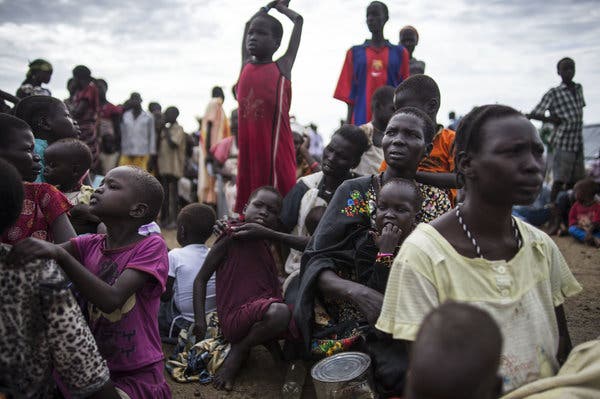
Credit: New York Times
Conflict, below-average rainfall and worsening economic conditions are driving widespread food insecurity across South Sudan, with several counties facing a credible risk of famine through January 2027, according to the latest Famine Early Warning Systems Network (FEWS NET) report.
The July 2026–January 2027 Key Message Update says Emergency (IPC Phase 4) food insecurity remains widespread during the peak lean season in July and August, fueled by armed conflict, insecurity, soaring inflation, rising food prices and deteriorating drought conditions. Although humanitarian food assistance is expected to ease the crisis in some areas through September, the report warns that access remains constrained by insecurity.
FEWS NET identified Akobo and Nyirol counties in Jonglei State, together with Ulang and Nasir counties in Upper Nile State, as areas remaining in Emergency (IPC Phase 4), with some households already experiencing Catastrophe (IPC Phase 5). The report notes that households in remote locations have lost livelihoods, have limited access to health services, and are relying heavily on wild foods and limited humanitarian aid.
According to the report, these four counties face a credible risk of Famine (IPC Phase 5) through January 2027 if conflict intensifies further and cuts communities off from humanitarian assistance and access to wild food sources.
Despite security challenges and funding shortages, the World Food Programme reached nearly 875,000 people with food and cash assistance in June. However, aid operations have been disrupted in several areas due to insecurity, including attacks on humanitarian convoys and the looting of relief supplies.
The report also highlights renewed fighting between government and opposition forces in parts of Jonglei and Upper Nile during July, resulting in more than 100 deaths, market disruptions, reduced crop production and the displacement of at least 7,000 people. Separate clashes in Kajo-Keji displaced more than 10,000 people, while intercommunal violence in Warrap and Western Bahr el Ghazal also caused deaths and large-scale displacement.
Weather conditions are compounding the crisis. FEWS NET says strengthening El Niño conditions have brought below-average rainfall, record-low soil moisture and poor crop growth across much of the country. Farmers in several states have reported crop failures, wilting crops and delayed planting, raising concerns over reduced harvests later this year.
Meanwhile, continued depreciation of the South Sudanese pound and rising fuel prices have pushed staple food prices even higher. Fuel prices increased by between 5 and 20 percent in several major towns between June and July, while the price of red sorghum continued to climb, further reducing households’ purchasing power. In conflict-affected Nasir, the retail price of red sorghum rose by 43 percent within a month.
FEWS NET warns that while the main harvest expected in September and October may temporarily improve food availability, it is unlikely to offset declining humanitarian assistance and the cumulative impacts of conflict, drought and economic shocks. As a result, Emergency (IPC Phase 4) food insecurity is expected to persist across much of Jonglei, southern Upper Nile and parts of Unity, Warrap, Lakes and Northern Bahr el Ghazal through January 2027.