
On a scorching afternoon in Juba’s sprawling Konyokonyo market, Taban Joseph taps a rapid sequence of digits into his worn feature phone. An instant...
On a scorching afternoon in Juba’s sprawling Konyokonyo market, Taban Joseph taps a rapid sequence of digits into his worn feature phone. An instant later, the screen flickers, confirming a digital transfer to a wholesaler across town.In a nation where economic volatility has long rendered carrying stacks of physical banknotes bulky and dangerous, mobile money accounts have become an essential tool for daily commerce. Yet beneath South Sudan’s digital cash expansion lies a systemic, unresolved tension: the gap between high-level regulatory architecture and the daily friction experienced by citizens trying to access their money on the ground.The Ghost of 2018 and the Trauma of Sudden BlackoutsTo understand public skepticism toward mobile financial services, one must look back to March 2018. When the National Communication Authority (NCA) abruptly suspended Vivacell—then the nation's leading telecommunications operator—over licensing disputes, the network was severed overnight.The fallout went far beyond dropped calls. Hundreds of thousands of users lost digital float and prepaid SIM balances without warning. Because enforcement occurred within a regulatory silo, an administrative penalty intended for a telecom operator wiped out millions of pounds in public value. Eight years later, that historical memory continues to haunt everyday users."My fear is that any company coming with new business, they should first tell us more about it. Because we may end up losing like that for the whole of our life in South Sudan... Vivacell even went like that quietly. My money was even in the SIM card, a lot of money," says Kidega Livingstone, a journalist and a mobile money customer.Livingstone's experience reflects a widespread loss of trust rooted in institutional enforcement actions that historically paid little regard to consumer liquidity.Ground Reality: The Agent Liquidity CrunchWhile central regulators discuss digital transformation, ordinary citizens face a more immediate bottleneck: converting screen balances into physical cash.For local entrepreneurs like Selina Kadi Ali, who opened a mobile money account after seeing how seamlessly payment platforms function across the border in Uganda, the system's structural constraints present a daily business hurdle."When you see out there, if you go to any agency, you can send 15,000 at 10K, then you come and sell it, you will get something like 5,000... That's why I see it as an opportunity for me to open a Momo account so that I can do my small, small business to get something out of it, rather than just staying."However, mobile money customers point to a systemic failure in cash-out operations. Users frequently find their balances intact on paper, yet agents lack the physical banknotes to execute withdrawals."If you have one million on your account someone sent for you, it is really challenging for you to withdraw it at once. Unless maybe you move from different places, you withdraw 50 SSP from different agencies... People fear, like, even Momo is not stable. What if one day Momo is closed and my money is on my account?" Isaac Denish an entrepreneur and MoMo user laments.This liquidity friction directly drives financial exclusion, pushing users away from official banking tools back toward physical cash or informal networks.The Institutional Shift: The 2025-2026 ReformsAddressing these structural gaps requires moving away from fragmented, single-agency oversight. Under the updated Electronic Money Regulation, 2017 (Amendment 2025) and the rollout of the South Sudan Interbank Payment and Settlement System (SSIPS), financial regulators have introduced stricter legal requirements to safeguard customer float in ring-fenced trust accounts.The structural gap between telecom and banking authorities began closing with a landmark Memorandum of Understanding (MoU) on Digital Financial Services signed between the Bank of South Sudan (BoSS) and the National Communication Authority (NCA)."Our responsibility goes beyond monetary policy and the regulation of financial institutions. We must also safeguard the integrity, security and resilience of the financial infrastructure upon which our economy increasingly depends," says the Governor, Bank of South Sudan Dr. Addis Ababa Othow.The agreement establishes joint oversight channels, real-time data-sharing protocols, and coordinated enforcement mechanisms designed to ensure that network licensing disputes never again freeze public funds.Eng. Gieth Kon Mathiang, Director General, National Communication Authority (NCA) says this memorandum enhances cooperation, "Together we can strengthen the security of digital financial services and build greater public trust."Bridging Policy and Public TrustAs South Sudan aligns its payment infrastructure with regional directives across the East African Community (EAC)—as outlined in the State of Inclusive Instant Payment Systems (SIIPS) 2025 framework—the ultimate benchmark of success remains on the streets of Juba.Legal MoUs and central bank circulars provide the necessary legal foundation. However, until regulatory oversight ensures both network stability and reliable agent liquidity, the fear of another sudden blackout will continue to linger for small business owners and everyday citizens alike.Photo Credit: Melin Demir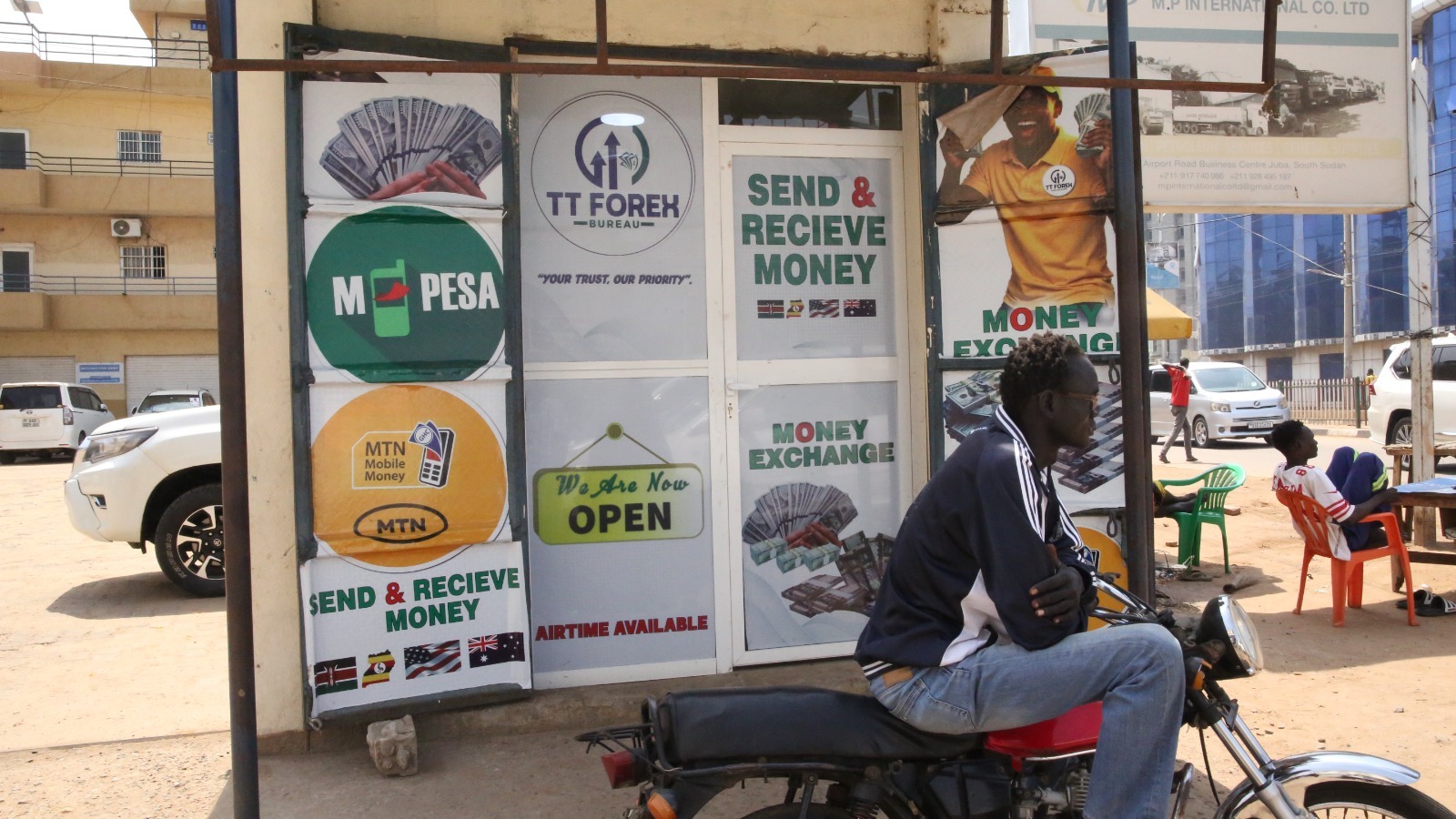
0 likes