
Sudan is facing a severe fuel crisis, with shortages of petrol and diesel worsening living conditions, disrupting economic activities and complicating...
Sudan is facing a severe fuel crisis, with shortages of petrol and diesel worsening living conditions, disrupting economic activities and complicating humanitarian operations across the war-torn country.The crisis has been intensified by repeated airstrikes targeting energy infrastructure during the ongoing conflict between the Sudanese Armed Forces (SAF) and the paramilitary Rapid Support Forces (RSF).According to reports published on Friday, Nov. 6, fuel shortages have affected major cities, including Khartoum, Nyala and Port Sudan, with residents facing long queues and sharply rising prices at petrol stations.In Khartoum, petrol prices have reached approximately 48,800 Sudanese pounds per gallon, while diesel has risen to about 45,000 pounds. Prices in Nyala have climbed even higher, reflecting the growing difficulties in transporting and distributing fuel.The shortage has also affected agriculture, with farmers in several states struggling to operate irrigation pumps and agricultural machinery. The disruption threatens crop production and could worsen food insecurity in a country already facing a severe humanitarian emergency.Humanitarian organisations have also warned that fuel shortages are disrupting relief operations, leaving aid trucks stranded and delaying the delivery of food, medicine and other essential supplies to displaced communities.The United Nations has raised concerns over the impact of attacks on civilian infrastructure, warning that disruptions to electricity, water and fuel supplies are putting lives at risk and affecting hospitals and other essential services.Sudan's energy infrastructure has suffered extensive damage since fighting erupted in April 2023. Recent attacks have targeted power stations, fuel depots, transmission facilities and oil infrastructure, further weakening the country's ability to maintain reliable energy supplies.The destruction of the Khartoum refinery, which previously supplied a significant share of the country's petroleum products, has also increased Sudan's dependence on imported fuel.Sudan's Energy and Oil Minister, Mutasim Ibrahim, has said the government is working to secure additional fuel supplies, repair damaged facilities and explore alternative energy sources.However, continued fighting and damage to critical infrastructure are complicating efforts to restore normal supplies.The conflict between the army and the RSF has displaced millions of people, destroyed livelihoods and severely weakened Sudan's economy, leaving large sections of the population dependent on humanitarian assistance.The worsening fuel crisis adds another challenge to efforts to deliver emergency aid and restore essential services as the war continues.Photo Credit: Sudan Tribune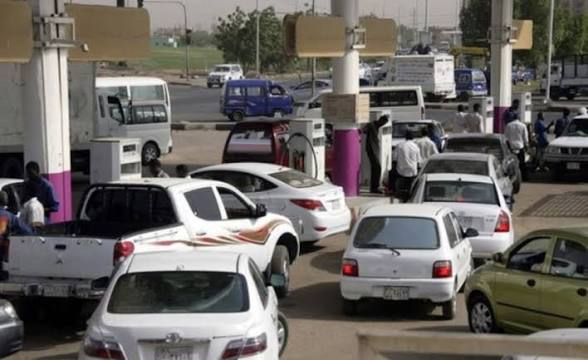
0 likes