Uganda’s Refugee Communities Face Rising Food Insecurity as Humanitarian Funding Shrinks
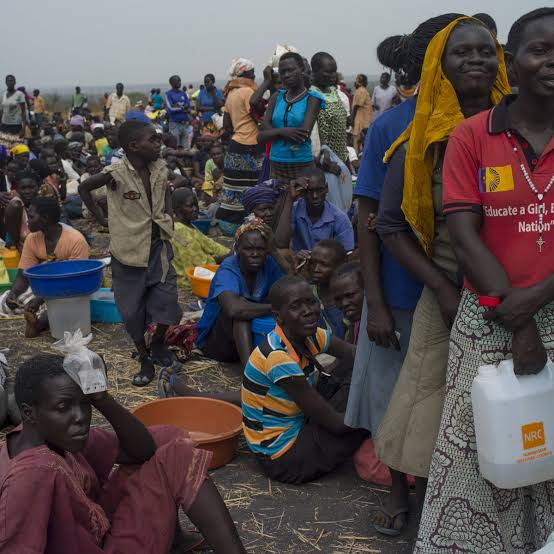
Credit: The Guardian
Uganda’s refugee population is facing worsening food insecurity, limited access to essential services and growing protection risks as humanitarian funding declines, according to a newly released Multi-Sectoral Needs Assessment.
The assessment, conducted across 12 refugee settlements, neighboring host communities and Kampala, found that food is the most urgent unmet need, reported by 85% of households surveyed. The figure rises to 91% among refugee households, compared with 79% among host communities.
The assessment was carried out jointly by organizations under the Alliance2015 network and highlights widening gaps between humanitarian needs and available resources.
Financial constraints emerged as the biggest barrier to accessing essential services, with 90% of households reporting a lack of money as a primary obstacle.
Food insecurity is particularly severe in some refugee-hosting areas. Overall, 57% of households recorded poor or borderline food consumption scores, rising to 77% among refugee households in Obongi district.
Agriculture remains the main source of livelihoods for 59% of the population surveyed, but access to productive land is uneven. Half of refugee households reported having no access to arable land, while 53% rely on casual daily labor and 27% depend on humanitarian assistance.
The economic pressure is also affecting household food consumption. The assessment found that 46% of households experience moderate hunger, while 2% experience severe hunger, with severe food deprivation concentrated in refugee settlements.
Refugee households reported an average of 1.72 meals per day for adults and 1.62 meals for children under 5. About one-quarter of households have resorted to emergency coping strategies, including exhausting savings and sending children under 15 to work.
Access to water, sanitation and hygiene services also remains inadequate. Only 45% of households said their basic WASH needs were fully met, while 52% reported access to a safe sanitation facility.
Health services face similar pressures. About 60% of households reported needing medical care in the period before the assessment. Among those seeking services, long waiting times and shortages of essential medicines were frequently reported as barriers.
Education enrollment remains relatively high, at 96%, but affordability continues to threaten children’s ability to remain in school. About 92% of households identified the cost of education, including fees, uniforms and learning materials, as a major challenge. Limited access to school feeding programs was also reported.
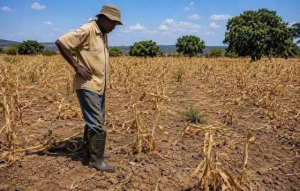
Environmental shocks are adding to the pressure on vulnerable households. The assessment found that 67% of families experience drought and 61% experience crop failure annually, further affecting food production and household incomes.
Protection concerns are also widespread. About 61% of households reported experiencing harm, physical threats or discrimination. Domestic violence was identified as a major risk for women and girls by 51% of households, while 44% cited sexual violence and abuse.
Community tensions were linked primarily to land disputes and domestic conflicts, reported by 50% and 40% of households, respectively.
Despite the scale of the needs, only 26% of households reported receiving humanitarian assistance in the 30 days before the assessment.
Cash assistance was the most preferred form of support, cited by 59% of households. The assessment recommends greater use of targeted, market-based cash assistance alongside longer-term livelihood programs and strengthened protection services.
The findings underscore the growing pressure on Uganda’s refugee response as humanitarian resources decline, while refugee and host communities continue to face interconnected food, economic, environmental and protection challenges.