Global Food Prices Rise as Supply Disruptions, Weather Threaten African Markets
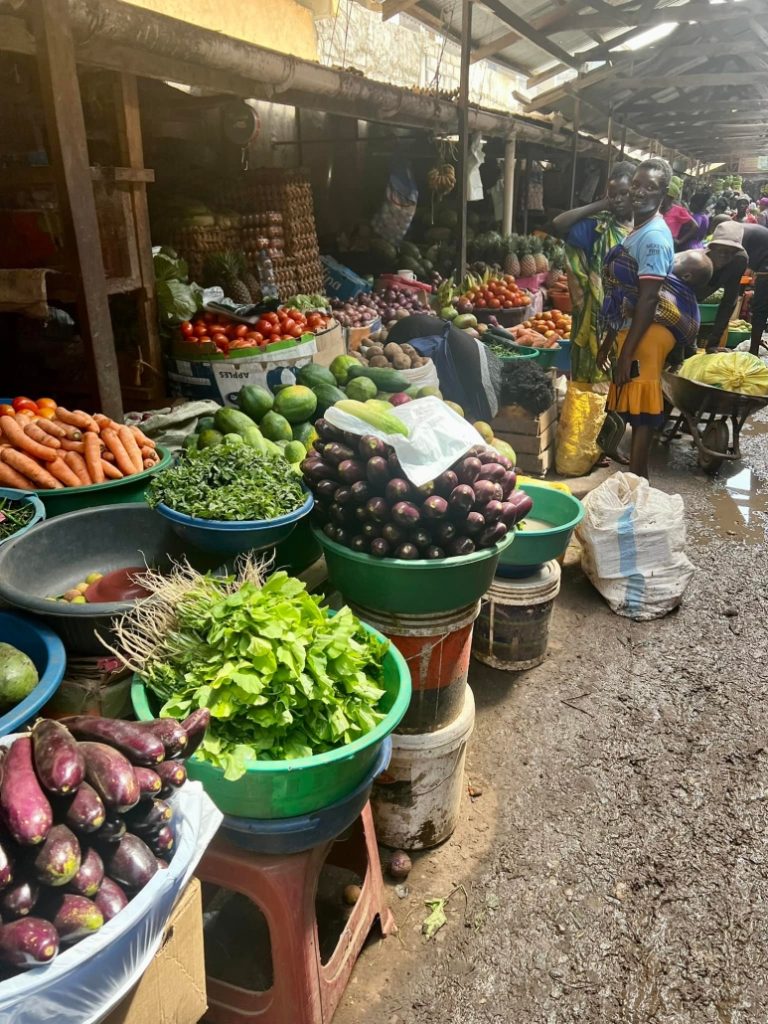
Credit: Travel2Unlimited
Global food prices rose in August as tightening supplies, adverse weather and disruptions to Black Sea trade pushed commodity markets higher, according to the latest Food Security Monitor published by the Alliance for a Green Revolution in Africa (AGRA).
The United Nations Food and Agriculture Organization’s Food Price Index increased 1.9% from July to 133.3 points, with sugar recording the sharpest monthly increase at nearly 12% amid weather concerns in major producing countries, including India.
Global grain markets also came under pressure after heatwaves contributed to a 5 million-ton reduction in the forecast for total grain production in the 2026-27 marketing year.
The impact on African food markets, however, varied widely by country.
In East Africa, increased supplies from newly harvested crops helped lower maize prices in some markets. Prices fell by about 10% in Kenya and 4% in both Tanzania and Rwanda.
South Sudan recorded a sharply different trend. Maize prices increased 99.1% over a six-month period, according to the report, reflecting the effects of disrupted markets, weak infrastructure and broader economic pressures.
West African markets were generally more stable over the past year. Ghana recorded a 36.3% annual decline in white maize prices, while seasonal shortages contributed to a 22.5% monthly increase in millet prices in Niger.
Fuel costs added further pressure to household budgets across the continent.
In Malawi, diesel prices rose 44% between July and August, while Mozambique’s diesel prices remained about 85% above their levels at the beginning of the year. In Rwanda, petrol and diesel prices remained roughly 50% above spring levels.
Higher fuel costs can increase the cost of transporting food and agricultural inputs, adding pressure to already vulnerable households and food markets.
The report also warns that changing weather patterns could create additional risks for agricultural production. Forecasts pointing to a potentially strong El Niño event are expected to bring different impacts across Africa, including increased moisture stress and heat in parts of Southern Africa and heavier rainfall and flooding risks in parts of East Africa.
The combination of climate shocks, conflict, displacement and high agricultural input costs continues to affect food security across the continent.
Nigeria has the largest number of people facing Crisis-level food insecurity or worse, with 36.3 million people affected, according to the report. South Sudan has one of the highest proportions, with about 55% of its population facing severe food insecurity.
The report says humanitarian assistance continues to face pressure as needs rise and access to food, markets and livelihoods remains constrained in several countries.
The monthly Food Security Monitor, now in its 72nd edition, tracks food prices, agricultural production, trade and other food-security indicators across 17 countries in East, Southern and West Africa.