East African countries struggle to absorb refugee health services amid funding cuts
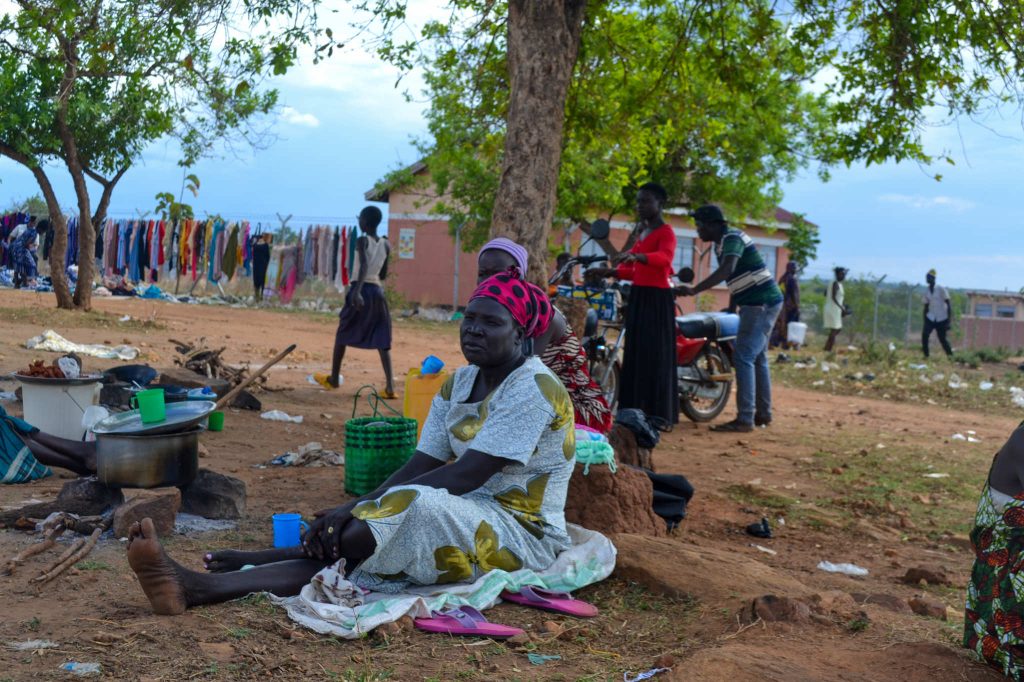
Credit: Global Press Journal
East African governments are struggling to integrate refugee health services into national health systems as international humanitarian funding declines, creating shortages of health workers, medicines and other essential services, according to a new policy paper by the International Rescue Committee.
The report, published in July 2026, examines the transition of refugee health services in Kenya, Uganda and South Sudan from parallel humanitarian systems largely operated by international agencies and nongovernmental organizations to government-led national systems.
The transition is driven by the prolonged nature of displacement in the region, declining humanitarian funding and international commitments to strengthen the inclusion of refugees in national services.
But the IRC warns that the transition is moving faster than the ability of governments and donors to finance and manage the expanded health systems.
“When humanitarian funding contracts faster than governments can absorb costs, service gaps open quickly,” the report says, warning that an underfunded transition could undermine health services for both refugees and host.
In Uganda, which hosts nearly 2 million refugees, authorities have made significant progress in integrating refugee health services into the national system. The country’s 2025-2035 National Transition Strategy is estimated to require about $1.8 billion, while about 95% of 89 refugee-serving health facilities have been incorporated into the national health system.
Despite the administrative progress, however, Uganda faces a major funding and staffing gap. UNHCR health funding is projected to fall from about $15 million in 2025 to $1 million in 2026. The number of health workers supported by UNHCR is also expected to drop from 1,766 to about 558.
The IRC says the reductions are contributing to severe staffing shortages, increased pressure on remaining health workers and medicine stockouts in refugee settlements.
South Sudan faces a more fragile transition because of conflict, displacement, economic constraints and limited government capacity. The country’s health services are being integrated through the Health System Transformation Project, launched in 2024 with support from the World Bank, World Health Organization and UNICEF.
The IRC says the transition has been accelerated despite weaknesses in the national health system.
Delayed and reduced government incentive payments have made it difficult to retain health workers who previously relied on humanitarian organizations for financial support. The report says shortages of doctors, midwives and other health personnel have affected the delivery of maternal, emergency and newborn care.
The country’s medicine supply system is also struggling to meet demand in areas with large refugee populations. The centralized distribution system allocates medicines according to facility classifications rather than actual population needs, meaning some facilities serving large refugee populations can exhaust supplies before the next scheduled delivery.
Funding constraints have also reduced the planned coverage of the Health System Transformation Project from 1,158 facilities to 816 through 2027, according to the report.
In Kenya, the government is pursuing a policy shift away from the country’s long-standing camp-based refugee model under the Refugee Act of 2021 and the Shirika Plan.
The transition seeks to integrate refugees more closely into national services, including health insurance. In Turkana County, authorities are implementing a pilot plan for the transition of refugee-serving health facilities between 2025 and 2027.
Health facilities in refugee-hosting areas are being registered on the national Master Facility List, allowing them to access government support and reimbursements through the Social Health Authority.
The process, however, faces challenges. County health systems remain overstretched and underfunded, while difficulties with refugee identification and enrollment in national health coverage continue to limit access.
The IRC also says political acceptance of the transition remains uneven, with some host communities concerned that changes in humanitarian assistance could increase pressure on already limited public services.
The organization is calling for a slower and better-funded transition across the three countries, arguing that the handover of refugee health services should be based on the actual capacity of national systems rather than fixed political deadlines.
The IRC recommends multi-year financing arrangements that can bridge the gap between declining humanitarian assistance and the availability of longer-term development funding.
It also calls for governments and donors to protect health workers by creating pathways for humanitarian personnel to move into stable public-sector employment, while maintaining dedicated funding for nutrition, maternal and newborn health and mental health services.
The report further urges governments to assess institutional readiness before transferring responsibility for health facilities and to communicate transparently with refugees and host communities throughout the process.
The IRC warns that without adequate financing, staffing and reliable medicine supply chains, the transition could weaken health services rather than create sustainable national systems capable of serving both refugees and host populations.