More Than 319,000 People Flee South Sudan to Sudan Since April 2025: UNHCR
Credit: UNHCR
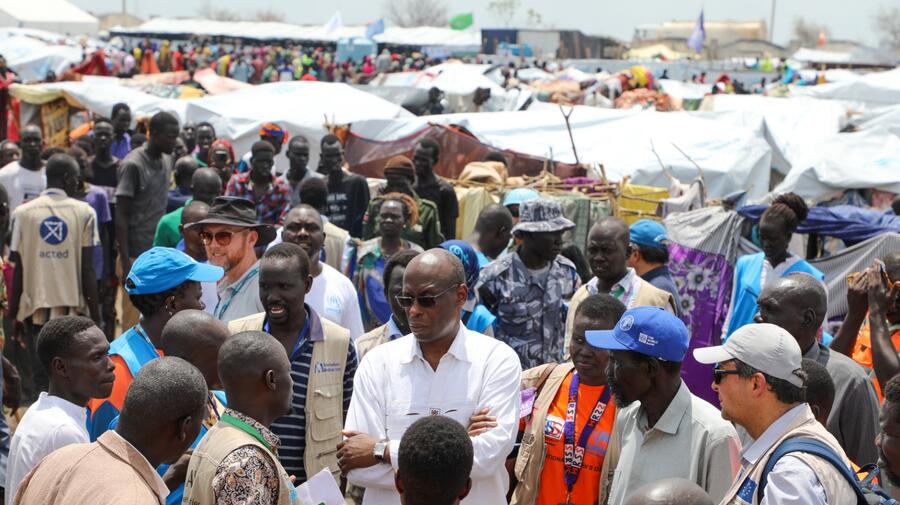
More than 319,000 people have crossed from South Sudan into Sudan since April 2025 as renewed conflict and insecurity continue to force families from their homes, according to the latest UNHCR situation update.
The report says political instability and escalating fighting, particularly in Upper Nile and Jonglei states, have triggered widespread displacement. Intensified clashes in northern and central Jonglei since late December 2025, including reported shelling of civilian areas, have further worsened the humanitarian situation and prompted additional movements into Sudan.
UNHCR estimates that 319,246 people have arrived in Sudan since the escalation began, including 96,848 newly arrived South Sudanese refugees and 222,398 Sudanese returnees. Most South Sudanese refugees have settled in White Nile, Blue Nile, South Kordofan and West Kordofan states.
The agency noted that continued insecurity in areas such as Kodok and Tonga has driven new arrivals despite heavy rains and road closures. It also warned that the suspension of new refugee registration remains a major protection concern, limiting access to humanitarian assistance and essential services for newly arrived populations.
Meanwhile, a separate UNHCR overview on returns indicates that approximately 222,000 Sudanese have returned from neighbouring countries since 2024, with South Sudan accounting for about 82,000 returnees. The report found that 73 percent of Sudanese returnees intend to return to their areas of origin.
UNHCR identified urgent humanitarian priorities in Blue Nile and White Nile states, including expanded shelter support, improved water and sanitation services, healthcare, food assistance, protection interventions and flood mitigation.
The agency also warned that poor sanitation conditions in White Nile continue to increase the risk of waterborne diseases, including cholera.The agency called for increased humanitarian support to address the growing needs of refugees, returnees and host communities affected by the ongoing crisis.