Funding Shortfall Threatens Nutrition Response for Over 750,000 People in South Sudan
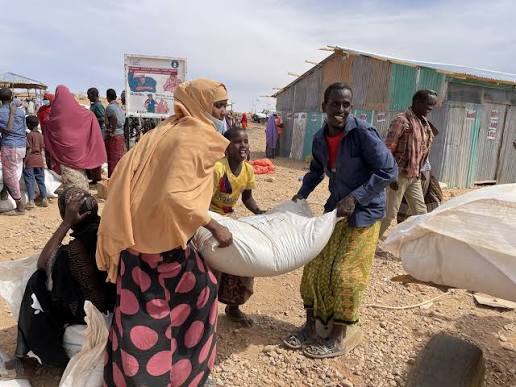
South Sudan’s emergency nutrition response is under growing pressure as insecurity and a critical funding gap threaten lifesaving services for hundreds of thousands of children and mothers, according to the latest Quarterly Bulletin released by the Nutrition Cluster.
The report says humanitarian partners require US$13.1 million to sustain emergency nutrition operations in the country’s hardest-hit areas, but only US$6.5 million has been secured, leaving a funding gap of US$8.1 million.
Aid agencies warned that without additional donor support, nutrition programmes could face major disruptions during the peak malnutrition season.
Despite mounting operational challenges, nutrition partners admitted 758,784 people into Community-based Management of Acute Malnutrition (CMAM) programmes during the first half of 2026.
The beneficiaries included 195,476 children receiving treatment for Severe Acute Malnutrition (SAM), 341,047 children treated for Moderate Acute Malnutrition (MAM), and 222,261 pregnant and breastfeeding women provided with nutritional support. Another 7,123 critically ill children were admitted to stabilization centres for specialized care.
While programme coverage has surpassed the same period in 2025, the Nutrition Cluster warned that insecurity, supply chain disruptions and limited humanitarian access continue to hamper operations in several parts of the country.
The report identified significant regional disparities, with Lakes and Eastern Equatoria recording relatively stronger treatment coverage, while conflict-affected states such as Unity and Upper Nile continue to struggle to reach vulnerable populations.
A SMART nutrition survey conducted in Maiwut County found a Global Acute Malnutrition (GAM) rate of 15.1 percent, exceeding the Integrated Food Security Phase Classification (IPC) threshold for a critical nutrition emergency. The survey also found that more than 92 percent of residents lacked access to safe sanitation facilities, increasing the risk of disease outbreaks.
In Jonglei State, humanitarian partners expanded emergency nutrition services in Akobo East by establishing 12 outpatient therapeutic programme sites and two stabilization centres. However, planned operations in Akobo West were suspended after armed attackers raided a humanitarian base, detained aid workers and forced the evacuation of staff.
The Nutrition Cluster said no nutrition services are currently operating in Akobo West, leaving vulnerable families without access to lifesaving treatment.
Meanwhile, the Ministry of Health has activated national preparedness measures for Bundibugyo Virus Disease (BVD) following outbreaks in neighbouring Uganda and the Democratic Republic of the Congo. Although South Sudan has not confirmed any cases, preparedness activities have been intensified in 15 high-risk border counties.
Humanitarian agencies are urging donors to close the funding gap, warning that delays could worsen malnutrition and increase the risk of preventable deaths among children and mothers across South Sudan.