Community Feedback Drives Faster Humanitarian Response in South Sudan’s Wedweil Refugee Settlement
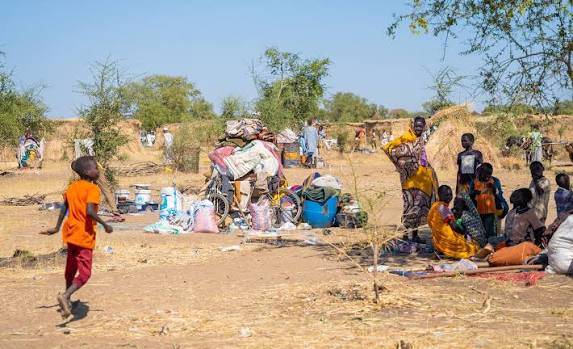
A community feedback initiative is helping humanitarian agencies respond more quickly to the needs of refugees in Wedweil Refugee Settlement, demonstrating how local voices can improve aid delivery and essential services.
Implemented by Concern Worldwide in partnership with the Community Engagement Network (CEN) and The Radio Community (TRC), the Accountability to Affected Populations (AAP) project uses local radio broadcasts and community loudspeaker systems to ensure refugees can access information and raise concerns, regardless of literacy levels or internet access.
Broadcast through Akol Yam FM and public address systems, the project aired 624 pre-recorded programs and public service announcements in June 2026, reaching an estimated 651,465 people across the settlement and surrounding communities.
The broadcasts also serve as a platform for collecting community feedback. During June, humanitarian partners received 482 reports highlighting residents’ most pressing concerns.
Humanitarian assistance accounted for the largest share of feedback at 35.5 percent, with residents raising concerns about crowd control and safety during aid distributions. Health-related issues represented 20.5 percent of reports, largely focused on requests for mosquito nets to reduce malaria infections, while 12.5 percent of feedback centered on food security and livelihoods, including calls for increased cash assistance or a return to food distributions amid rising food prices.
According to the project, humanitarian agencies acted quickly on many of the concerns, resolving 71 percent of reported issues by the end of June.
In response to complaints about overcrowding during aid distributions, the World Food Programme (WFP) introduced block-by-block arrival schedules announced through community loudspeakers. The new system reduced congestion and improved access for older people and persons with disabilities.
To address registration challenges, dedicated help desks were established at distribution sites, allowing staff to record and resolve missing-name complaints within 72 hours.
Meanwhile, the Norwegian Refugee Council (NRC) responded to repeated community requests by installing a new water point in Block 21 of the settlement and constructing eight sanitation facilities at the transit center.
Residents say the changes have had a tangible impact on their daily lives.
A 40-year-old woman described how staff assisted her during a recent cash distribution, ensuring she safely accessed the site and received her payment without difficulty.
Another resident, a widow from Block 21 who previously walked long distances to fetch clean water, welcomed the installation of the new water point near her home.
“Thankfully, it seems that our voices were heard and our complaints have been acted upon. This has made me happy,” she said.
The initiative highlights the growing role of community-led engagement in humanitarian programming, showing that regular feedback mechanisms can help agencies identify challenges early, improve accountability, and deliver assistance that better reflects the priorities of affected populations.