FEWS NET Warns 155 Million People Could Need Emergency Food Assistance in Early 2027
An estimated 155 million people across countries monitored by the Famine Early Warning Systems Network (FEWS NET) are expected to require emergency food assistance in early 2027 as conflict, climate shocks, and economic instability continue to drive acute hunger.
In its latest Food Assistance Outlook, FEWS NET projects that about 10 percent of the population across the countries it monitors will face severe food insecurity by January 2027, with humanitarian food assistance needs expected to exceed those recorded during the same period in 2026.
The report identifies armed conflict as the primary driver of the worsening crisis, compounded by erratic weather, poor harvests, displacement, and persistently high food prices.
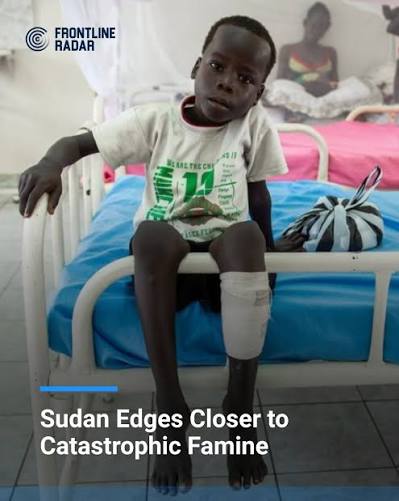
Sudan is expected to remain the country with the largest number of people in need, with 19 to 20 million people projected to face Crisis (IPC Phase 3) or worse levels of food insecurity. FEWS NET warned that continued fighting, poor rainfall, and limited humanitarian access could push parts of North Darfur closer to famine.
South Sudan is projected to remain among the world’s most food-insecure countries on a proportional basis, with 50 to 55 percent of the population expected to require emergency food assistance. The report attributes the deteriorating situation to renewed localized conflict, below-average agricultural production, and recurrent flooding that continue to erode household livelihoods.
In Nigeria, escalating insecurity and soaring food prices are expected to leave 16 to 17 million people in need of humanitarian food assistance, particularly in conflict-affected northern states. The Democratic Republic of the Congo is forecast to face similar levels of acute food insecurity, with prolonged violence and widespread displacement leaving another 16 to 17 million people in need.
FEWS NET also warned that climate-related shocks continue to reshape food security risks in several regions. In Somalia, heavy flooding linked to El Niño is replacing drought as the main driver of food insecurity, threatening to isolate vulnerable communities and disrupt humanitarian operations. In the worst-affected areas, the agency warned that famine remains a possibility if conditions deteriorate further.
Some countries are expected to see modest improvements. Better harvests in Afghanistan and Kenya are likely to ease food insecurity, although millions of people will continue to depend on humanitarian assistance due to the lingering impacts of previous droughts and economic hardship.
Outside Africa, the report estimates that 13 to 14 million people in Yemen will continue to face severe food insecurity as conflict, economic decline, and reduced port capacity limit access to food and essential services.
In Haiti, persistent gang violence is expected to keep around three million people in urgent need of food assistance by disrupting markets and restricting humanitarian access. The report also highlights continued food security concerns in parts of Colombia affected by drought and in Ukraine, where ongoing conflict continues to disrupt agricultural production and market access.
FEWS NET urged the international community to increase humanitarian funding and ensure safe access for aid agencies, warning that without sustained support, millions more people could face worsening hunger and a heightened risk of famine in 2027.